UV Water Treatment for Medical and Pharmaceutical Facilities
Water purity isn’t a background concern in medical and pharmaceutical environments, it is a core compliance obligation, a patient safety responsibility, and a production quality requirement. And yet, many facility managers and procurement leads are still relying on chemical-based disinfection systems that introduce their own risks: residual by-products, inconsistent dosing, chemical storage obligations, and audit trail headaches.
UV water disinfection changes that equation. It delivers dependable, chemical-free microbial control across hospital wards, dialysis suites, cleanrooms, and pharmaceutical production lines, with a growing body of validated performance data to support it.
If you are responsible for water quality decisions in a medical or pharmaceutical setting, this post covers what you need to understand about UV treatment: how it works, where it applies, which systems are built for your environment, and how to evaluate the compliance case.
Why Water Quality Is a Non-Negotiable in Healthcare and Pharma
The consequences of microbial contamination in medical and pharmaceutical water systems are severe. In hospital settings, waterborne pathogens, including Pseudomonas aeruginosa, Legionella, and non-tuberculous mycobacteria, pose direct infection risks to immunocompromised patients. Dialysis patients, in particular, face acute exposure risk through water that contacts the bloodstream.
In pharmaceutical manufacturing, contaminated process water can compromise product batches, trigger regulatory non-conformances, and invalidate GMP documentation. The cost of a single contamination event, in remediation, downtime, and regulatory response, can far exceed years of water treatment investment.
For decision-makers in these sectors, water quality infrastructure is part of the facility’s clinical and commercial risk profile.
How UV Disinfection Works, and Why It Fits Regulated Environments
UV water disinfection inactivates microorganisms by exposing them to ultraviolet light at a wavelength of around 254nm, which disrupts their DNA and prevents reproduction. Bacteria, viruses, and protozoa are neutralised without the addition of any chemicals and without altering the chemical composition of the water.
This matters for regulated industries for several key reasons:
- No disinfection by-products. Unlike chlorine-based treatment, UV does not produce trihalomethanes or other chemical residues that require monitoring or management.
- No impact on water chemistry. UV does not change pH, taste, odour, or ion concentration, critical for pharmaceutical ingredient water and medical device rinse applications.
- Validatable performance. UV dose delivery can be measured and documented, supporting validation and audit documentation requirements common in GMP environments.
- Continuous inline operation. UV systems operate within your water distribution infrastructure, providing real-time disinfection without batch processing or manual intervention.
Medical Applications: Where UV Treatment Adds Measurable Value

Dialysis Water Systems
Water used in haemodialysis must meet some of the most stringent microbial standards in any healthcare setting. Dialysis patients receive large volumes of water-derived fluid through the dialysis membrane, making pathogen control a direct patient safety issue. UV Guard’s
commercial UV systems are used in dialysis water treatment to reduce bacterial load before water enters the dialysis circuit, providing a chemical-free barrier that complements existing filtration.

Sterile Rinsing at Clinical Stations
Hand hygiene stations, instrument rinsing points, and patient care areas require clean, pathogen-reduced water at the point of use. UV treatment integrated into the supply line reduces the risk of opportunistic pathogens reaching clinical contact points, particularly important in wards serving immunosuppressed patients.

Medical Device Reprocessing
Reusable medical devices require wash water free from viable microorganisms to avoid recontamination during cleaning cycles. UV disinfection applied to device washing systems ensures the wash water itself does not become a contamination vector.
Pharmaceutical Applications: Protecting Production Integrity
Ingredient and Purified Water Lines
Drug formulation demands water that meets defined microbial limits at every stage of production. UV Guard systems are installed in both purified and non-purified water lines used across pharmaceutical manufacturing. The VR SUV-Series™ is specifically engineered for pharmaceutical environments, featuring sanitary fittings, electropolished stainless steel internals, and design standards aligned with pharmaceutical industry quality requirements.
CIP (Clean-In-Place) Rinse Water
CIP processes are critical to maintaining vessel, pipeline, and filling equipment hygiene. If rinse water used in CIP cycles carries microbial contamination, it can recontaminate the very surfaces just cleaned. UV treatment applied to CIP rinse water ensures final rinse steps deliver genuinely clean water to production equipment.
Process Water Loops and Biofilm Control
Standing or slow-moving water in process loops is a known risk factor for biofilm formation. Once established, biofilms can shed organisms intermittently into process water. UV treatment integrated into recirculating loops interrupts the microbial growth cycle, reducing biofilm establishment risk without chemical dosing that could compromise downstream process integrity.
The Right System for Your Environment
UV Guard’s product range includes systems designed for different flow rates, environments, and compliance requirements. For medical and pharmaceutical decision-makers, the following are most relevant:
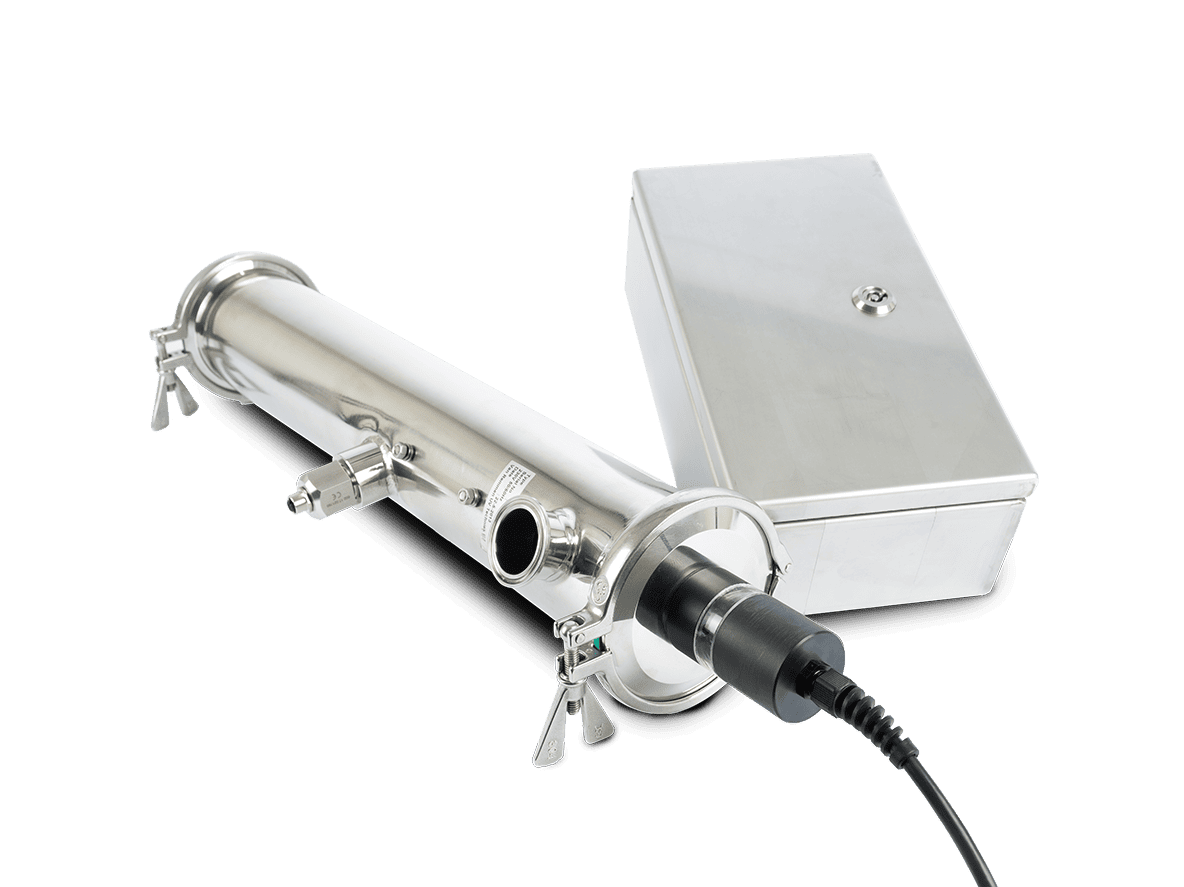
VR SUV-Series™, Pharmaceutical-Grade Sanitary UV
The Van Remmen Sanitary UV Series is designed specifically for pharmaceutical manufacturing environments, featuring sanitary tri-clamp connections, electropolished internal surfaces, and validated performance data. The specification-grade choice for GMP-regulated water lines. View VR SUV-Series™
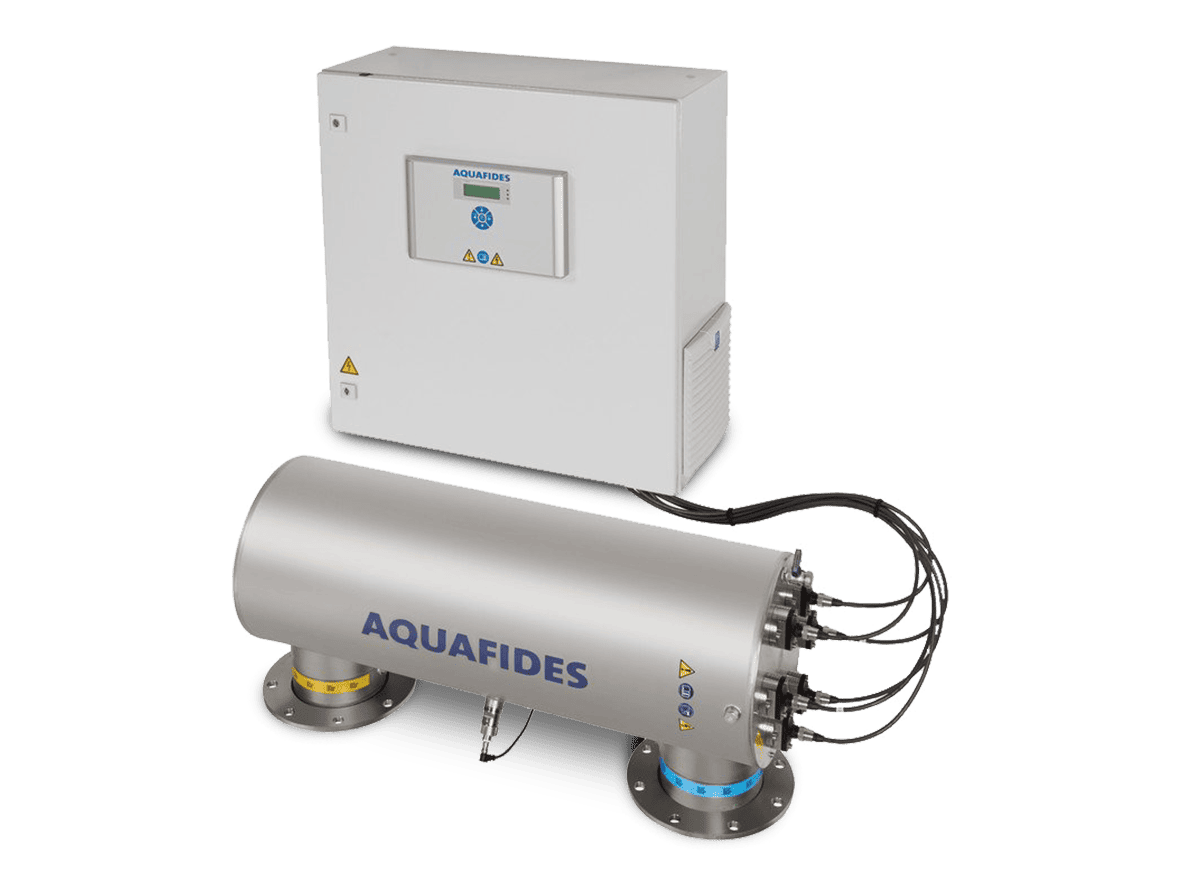
AQ UV Disinfection™, Swiss-Engineered, Third-Party Validated
Validated to DVGW, ÖVGW, and SVGW standards, the AQ system provides high-confidence performance documentation for environments where regulatory audit trails are essential. View AQ UV Disinfection™
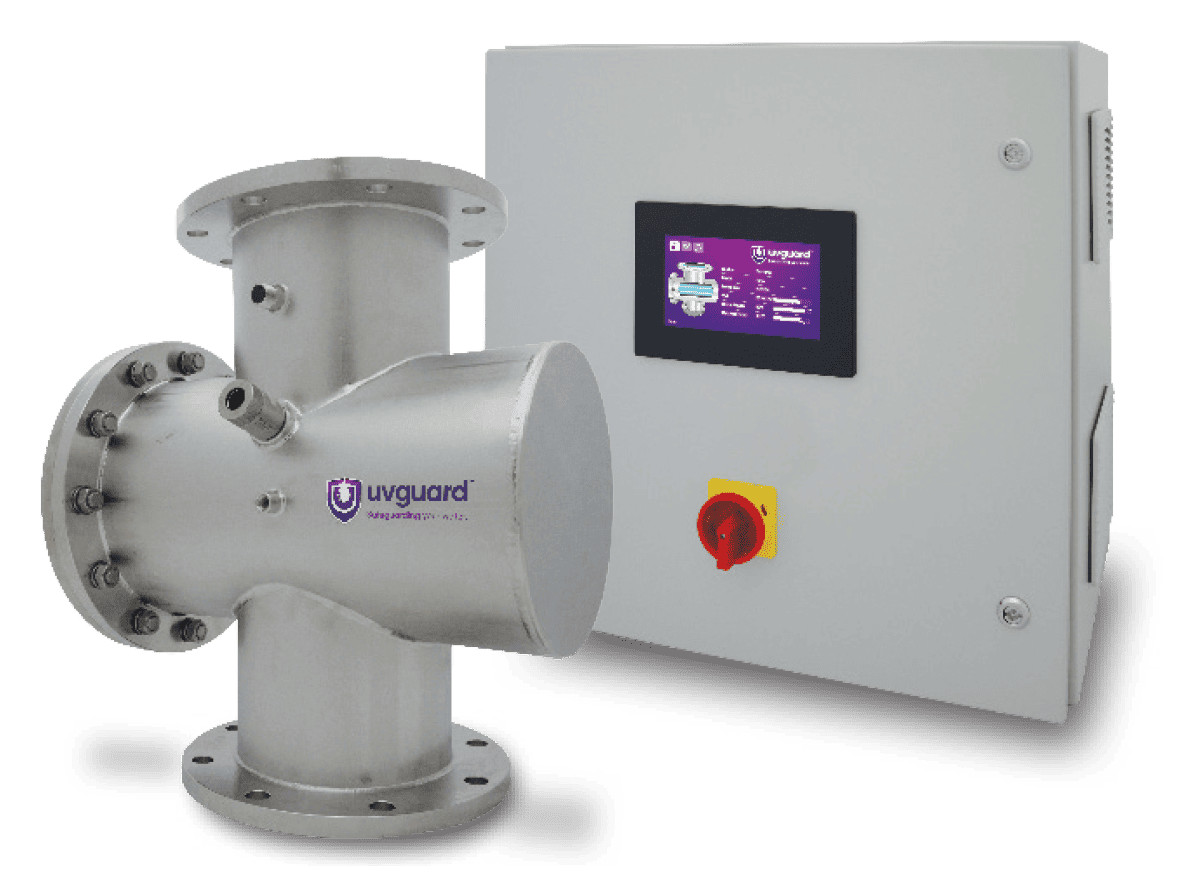
MPX-Series™, Medium Pressure UV for Commercial Flow Rates
Performance-optimised medium pressure UV treatment across higher-flow commercial applications, suited to larger hospital or manufacturing facility water systems. View MPX-Series™
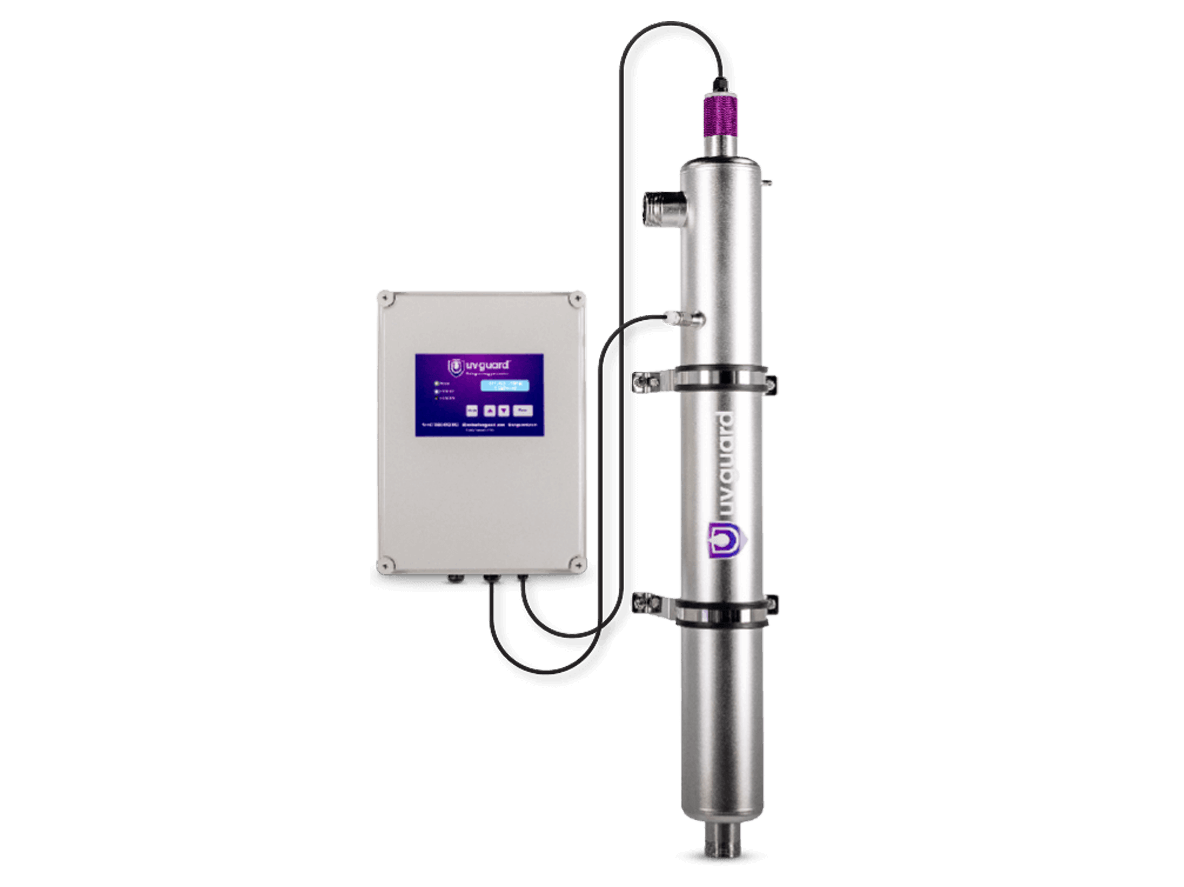
Armour™, Versatile Mid-Range Commercial UV
A robust, proven system for moderate-flow industrial and commercial applications. Well-suited to medical facility process water and mid-scale pharmaceutical applications. View Armour™ Range
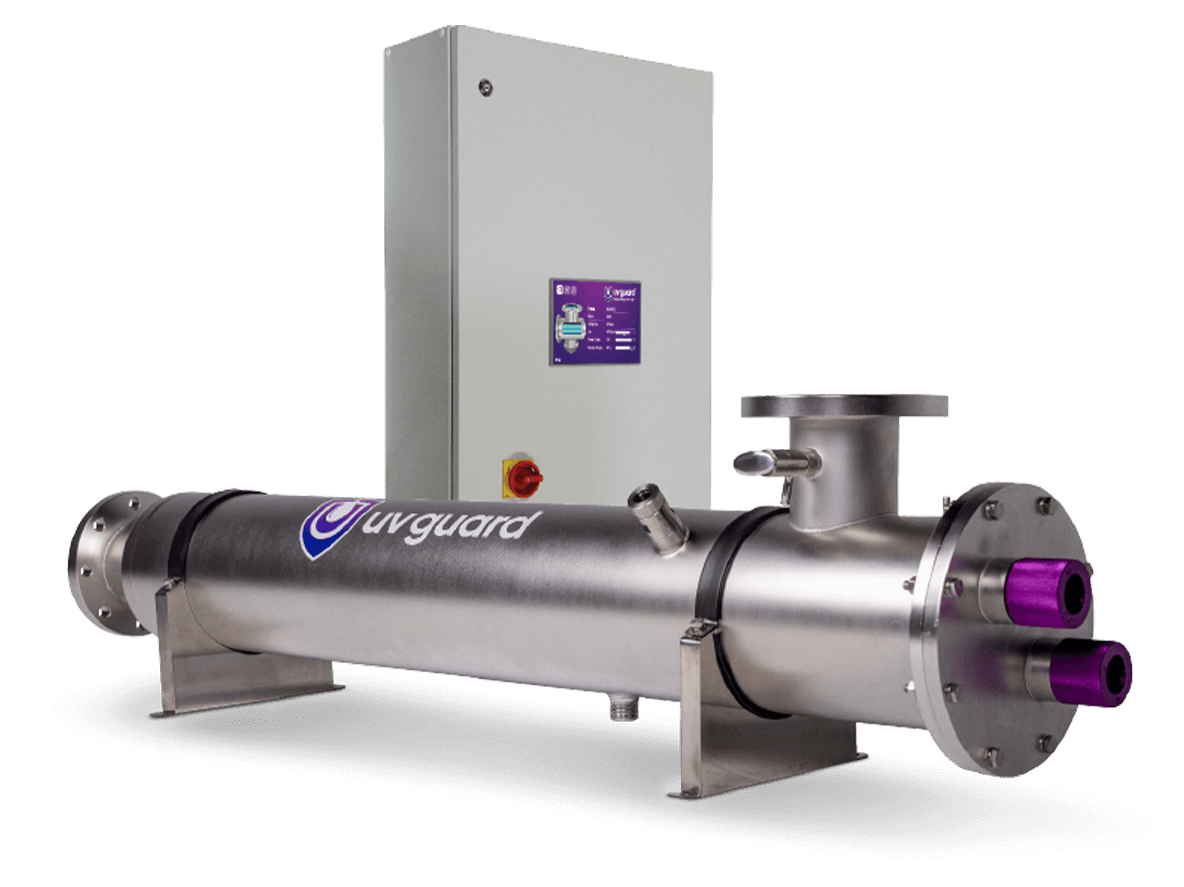
Armour™ X, Compact High-Flow Commercial UV
For large-flow applications in compact footprints, useful in high-demand hospital water systems or large-volume pharmaceutical production facilities. View Armour™ X Range
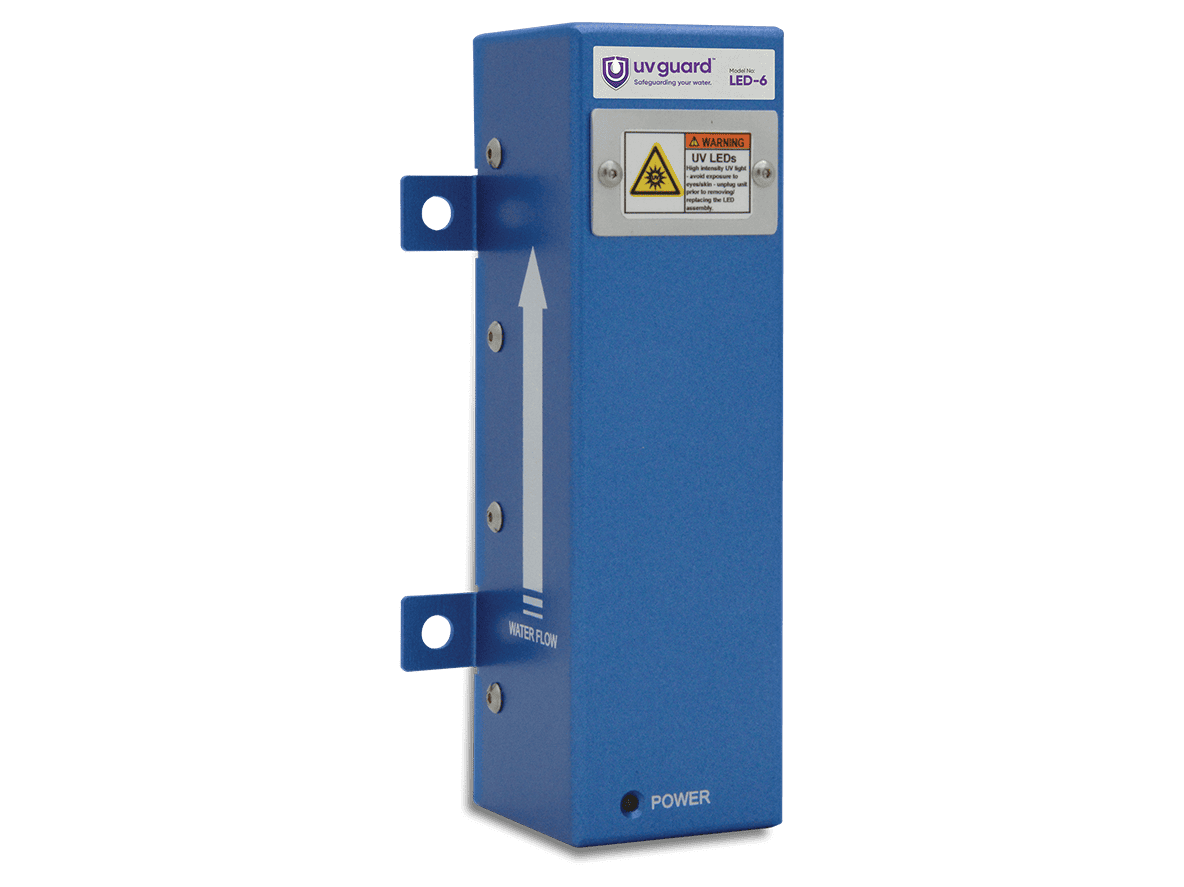
LED-Series™ Commercial, UV Using LED Technology
An innovative UV disinfection system using LED technology, offering energy efficiency advantages for organisations with sustainability commitments in their procurement criteria. View LED-Series™ Commercial
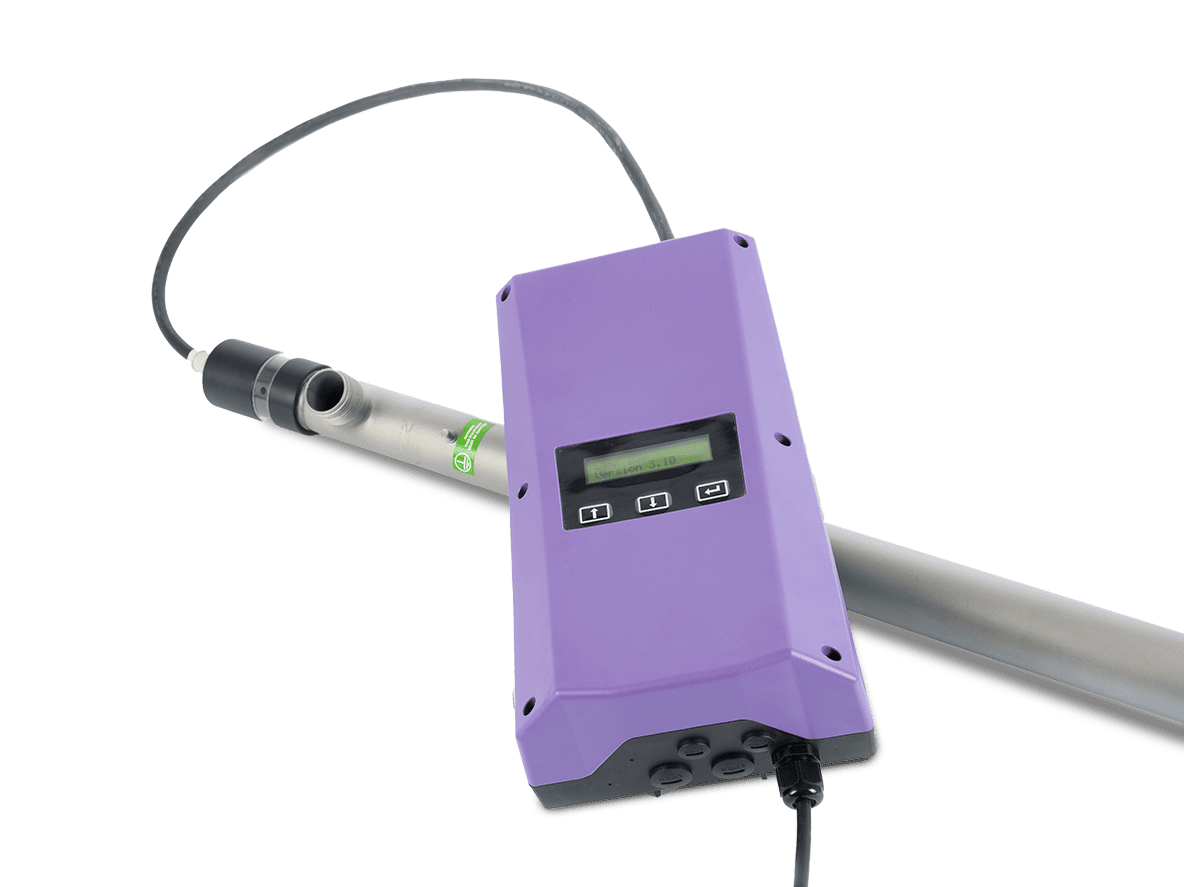
VR C-Series™, Third-Party Certified Performance
Third-party validated and certified by the NIPH (Norwegian Institute of Public Health) to CEN EN 14897:2006. For decision-makers who require independently certified performance evidence. View VR C-Series™
Explore the full commercial water treatment systems range or view all UV disinfection applications to identify the right fit for your facility.
Making the Compliance Case Internally
One of the most common barriers to UV system adoption in regulated facilities is not technical, it is organisational. Procurement teams, quality managers, and facility directors often need to build a business case across multiple stakeholders. Here is the core compliance case:
- Regulatory alignment. TGA guidelines, WHO GMP standards, and healthcare infection control frameworks require demonstrable microbial control in water systems. UV disinfection provides a validated, documentable control measure that fits within existing quality management frameworks.
- Reduced chemical handling obligations. UV removes chemical storage, dosing, and by-product monitoring entirely from the water treatment pathway.
- Audit documentation. UV dose is measurable and systems with integrated monitoring, such as the AQ UV Disinfection™ range, provide real-time performance data that can be incorporated into audit documentation.
- Operational continuity. UV systems operate continuously inline without process interruptions. UV Guard’s service team supports ongoing maintenance to ensure consistent dose delivery.
- Spare parts reliability. UV Guard maintains a comprehensive spare parts inventory including UV lamps, quartz sleeves, and electronic ballasts, critical for maintaining validated system performance.
Frequently Asked Questions
Next Step: Specify the Right System for Your Facility
UV water disinfection is not a one-size-fits-all solution, system selection depends on your water quality profile, flow rates, regulatory obligations, and specific application points across your facility. UV Guard’s team works with hospital engineers, pharmaceutical quality managers, and procurement teams to specify the right system, support validation documentation, and provide ongoing maintenance programs.
Contact UV Guard today to discuss your medical or pharmaceutical water treatment requirements, or explore the full range of commercial UV systems to begin your evaluation.

UV Disinfection for Wastewater Treatment: Meeting Discharge Standards Without Chemical Residues
UV wastewater disinfection is the preferred method for municipal and industrial effluent treatment. It eliminates pathogens before discharge without the chlorine residue problems that affect receiving waterways.
-
UV Disinfection for Warm Water Systems and Legionella Control: Protecting Vulnerable People
UV disinfection is an effective supplementary strategy for Legionella control in building water systems, reducing bacterial populations to protect immunocompromised patients, aged care residents and high-risk occupants.


Get in touch
Contact our team for expert guidance on selecting the right UV water treatment system, sourcing compatible spare parts, or confirming the correct components for your existing setup. We can also assist with servicing requirements to help maintain performance and long-term reliability.
Newsletter
Stay up-to-date with our very latest news, technology, offers and events.