
Dechlorination Using UV Light: A Smarter Way to Remove Free Chlorine
Categories: Aquatics, Armour, Armour X, Blog, Chlorine & Chloramine Destruction, Commercial, CWP-LED-Series, CWP-Series, Drinking Water, Food & Beverage, GMP-Series, Hospitality, Industrial & Manufacturing, LED-Series - Commercial, LED-Series - Residential, Medical & Pharmaceutical, MPX-Series, P-Series, Residential, S-Series, T-Series, Wastewater
Free chlorine is doing its job in your water supply. The problem is, it rarely stops there.
Once chlorinated water moves into food production, pharmaceutical manufacturing, membrane-based treatment systems or commercial pools, that residual chlorine becomes a liability. It reacts where you don’t want it to, degrades sensitive equipment, and in drinking water applications, its by-products are linked to serious long-term health concerns.
For decades, activated carbon and chemical dosing were the go-to solutions. But UV-C dechlorination is now a proven, chemical-free alternative that’s gaining serious ground, and for good reason.
Why Free Chlorine Is a Problem Across Industries
Chlorine is dosed into municipal water supplies to suppress pathogens during distribution. That’s its purpose, and it does it well. But when that water feeds into downstream processes, the residual chlorine doesn’t just disappear.
The downstream effects vary by sector, but the pattern is consistent:
- Drinking water: chlorination by-products, particularly trihalomethanes (THMs) and haloacetic acids (HAAs), are associated with increased cancer risk with long-term exposure. Taste and odour are also directly affected.
- Food and beverage: even trace chlorine levels alter the flavour profile of the final product. Breweries, soft drink manufacturers and bottled water producers are especially vulnerable.
- Pharmaceutical and electronics manufacturing: chlorine triggers unwanted chemical reactions and can compromise product integrity in ultra-pure water processes.
- Reverse osmosis systems: free chlorine degrades polyamide RO membranes rapidly, shortening lifespan and increasing operating costs.
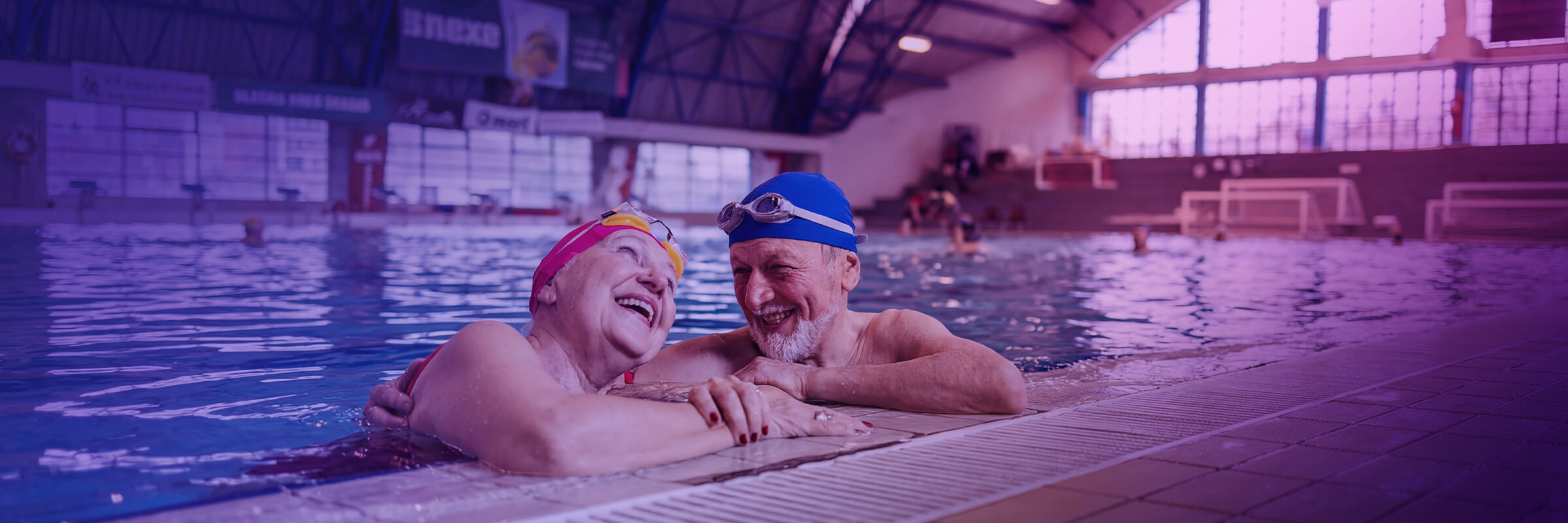
- Commercial swimming pools: when free chlorine reacts with organic matter, it forms chloramines, the compounds responsible for eye and skin irritation and that familiar chemical smell.
The Limitations of Conventional Dechlorination Methods
Activated Carbon
Activated carbon (GAC and carbon block) is the most widely used dechlorination method. It works, but it comes with trade-offs that are worth understanding before you specify it:
- Carbon media creates an ideal habitat for bacterial colonisation, particularly in low-flow or intermittent-use systems.
- Chlorine breakthrough can occur when the media is exhausted or channelling develops, often without any visible warning sign.
- Media regeneration or replacement is costly and operationally disruptive, particularly in high-throughput industrial settings.
For applications where microbiological control is as important as dechlorination (food production, pharmaceutical water, point-of-entry drinking water), these limitations matter.
Chemical Dosing (Sodium Bisulfite)
Sodium bisulfite is fast and effective at neutralising free chlorine, but it introduces new chemistry into the water stream. In flavour-sensitive applications, it can affect taste and odour. In precise manufacturing processes, even small residual sulphite concentrations can interfere with downstream reactions. There’s also the overhead of chemical storage, handling, and dosing control to factor in.
How UV-C Dechlorination Works
UV-C light, specifically in the 200–280 nm wavelength range, breaks down free chlorine through a photolytic reaction. The UV energy cleaves the chlorine molecule, converting hypochlorous acid (HOCl) and hypochlorite (OCl⁻) into chloride ions and oxygen. No chemicals are added. No by-products are produced.
Research has shown that water exposed to UV treatment at high UV doses achieves free chlorine reduction of up to 90%. The exact reduction achieved depends on UV dose, initial chlorine concentration and water transmittance. These are all variables that a properly designed UV system will account for at specification stage.
Critically, the same UV-C dose that dechlorinates also inactivates bacteria, viruses and protozoa. This means a single UV pass can simultaneously reduce free chlorine and provide disinfection assurance against spoilage organisms and human pathogens. This is something neither carbon nor chemical dosing can offer.
The Practical Advantages for Decision Makers
If you’re evaluating dechlorination options for a new installation or a process upgrade, here’s what UV-C brings to the table:
- No chemical handling or storage. UV systems eliminate the safety, logistics and regulatory overhead associated with chemical dechlorination. For facilities operating under strict HSE frameworks, this is a material benefit.
- No impact on taste, odour or pH. The photolytic reaction leaves no residual. Water quality downstream of the UV unit is chemically unchanged except for the reduction in chlorine.
- Dual function: dechlorination plus disinfection. A UV system working at dechlorination dose levels is simultaneously inactivating pathogens. You’re not choosing between the two. You’re getting both.
- No risk of microorganism introduction. Unlike activated carbon, a UV system doesn’t harbour biofilm or create conditions that promote bacterial regrowth.
- Low maintenance footprint. UV systems require periodic lamp replacement and sleeve cleaning, typically on an annual cycle. There’s no media to regenerate, no chemical deliveries to schedule, and no breakthrough events to monitor against.
Where UV-C Dechlorination Is Being Used
UV-C dechlorination is specified across a broad range of applications:
- Municipal and bottled drinking water: removing chlorine taste and by-product risk prior to final packaging or distribution
- Brewing and beverage production: protecting flavour integrity in process water and ingredient water streams
- Pharmaceutical and electronics manufacturing: producing chlorine-free ultra-pure water without chemical contamination risk
- RO pre-treatment: protecting membrane assets from oxidative degradation
- Aquaculture and horticulture: removing chlorine from irrigation and process water without harming biological systems downstream
- Commercial pools and spas: reducing chloramine formation and improving the bathing environment
Selecting the Right UV System for Dechlorination
Not all UV systems are designed for dechlorination duty. Standard low-pressure UV systems used for disinfection typically operate at doses of 30–40 mJ/cm². Effective dechlorination requires significantly higher doses, often in the range of 500–1,000 mJ/cm² or more depending on the inlet chlorine concentration and the target reduction.
Medium-pressure UV lamps emit across a broader spectrum and are generally more effective for dechlorination than low-pressure systems at equivalent power. System sizing, flow rate, water transmittance and chlorine load all need to be factored into the design.
Contact the UV Guard team at uvguard.com/contact to discuss sizing for your specific application.
Frequently Asked Questions
The Bottom Line
Free chlorine has a role in water safety. But that role ends at the point where it starts creating problems for your process, your product or your people.
UV-C dechlorination is a proven, low-maintenance method that removes free chlorine without chemicals, without by-products, and with the added benefit of simultaneous pathogen inactivation. For industries where water quality directly affects product quality, equipment longevity or regulatory compliance, it deserves serious consideration.
Explore UV Guard dechlorination systems or contact our team at uvguard.com/contact to discuss your application.
Dechlorination Using UV Light: A Smarter Way to Remove Free Chlorine
Free chlorine keeps water safe during distribution, but it causes problems downstream. UV-C dechlorination removes residual chlorine without chemicals, without by-products, and with the added benefit of pathogen inactivation in a single pass.

The Brain-Eating Amoeba That Lives in Australian Dams, Bores and Backyard Pools
Naegleria fowleri is a rare but almost always fatal amoeba found in warm freshwater across Australia. Rural families using bore water, farm dams or poorly maintained pools face the highest risk. This guide covers how infection happens, which water sources are dangerous, and the practical steps you can take to protect your family.


Get in touch
Contact our team for expert guidance on selecting the right UV water treatment system, sourcing compatible spare parts, or confirming the correct components for your existing setup. We can also assist with servicing requirements to help maintain performance and long-term reliability.
Newsletter
Stay up-to-date with our very latest news, technology, offers and events.