Rainwater UV Treatment: Making Collected Rainwater Safe for Household and Commercial Use
Rainwater tanks are a practical and sustainable water source for homes, farms and commercial properties, particularly in areas without reliable mains supply or where water costs are significant. But collected rainwater is not inherently clean. Roof surfaces, gutters and tank environments introduce bacteria, bird and animal faeces, dust and organic debris.
UV treatment is the most practical method for making harvested rainwater safe for drinking, cooking and food preparation without adding chemicals that affect taste or require ongoing dosing.
What Is Actually in Rainwater Tank Water
Microbiological testing of rainwater tank water in Australia, New Zealand and the UK consistently identifies coliforms including Escherichia coli, Campylobacter, Salmonella and Cryptosporidium in samples from tanks that appear clean and well-maintained. The contamination enters from roof runoff, bird and possum faeces, insects and decomposing organic matter in gutters.
Tank inspections and occasional visible contamination events significantly increase microbial loads. A properly maintained UV treatment system provides continuous protection regardless of what enters the tank between inspection intervals.
Pre-Treatment Before UV: What You Need
UV disinfection works only on clear water. Turbid, coloured or particle-laden water from a rainwater tank will block UV light and reduce or eliminate effectiveness. Pre-treatment is not optional.
A standard pre-treatment sequence for rainwater tank systems includes:
- First flush diverter on the downpipe to discard the first flush of roof water after dry periods, which carries the highest contamination load.
- Tank inlet filter (mesh screen) to exclude leaves, insects and large debris.
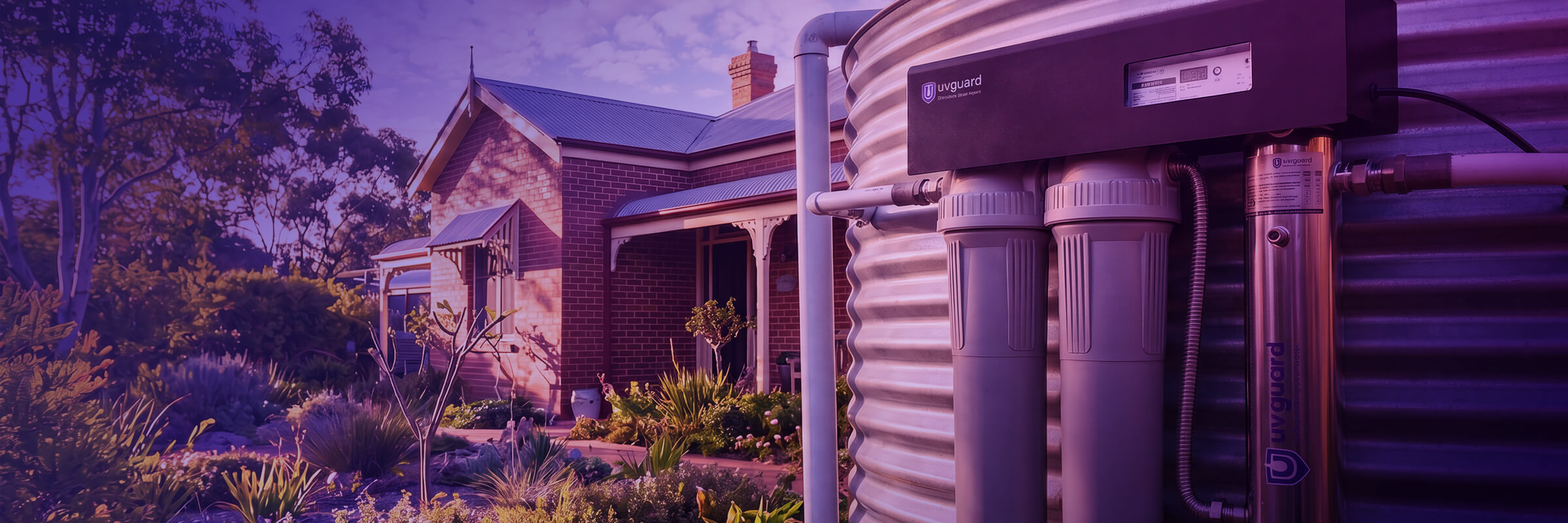
- Sediment filter (typically 5 micron) on the supply line from the tank before the UV unit.
- UV disinfection unit sized to the peak flow rate of the household or property.
For water that shows colour, tannin staining or iron content, additional treatment ahead of the UV stage may be required.
Sizing a UV System for Rainwater Applications
UV systems for rainwater are sized on peak flow rate, which is the maximum demand the property places on the water supply at any one time. For a typical residential property, this is determined by the number of simultaneous outlets that might operate (showers, taps, appliances).
UV Guard residential systems cover the range of flow rates typical for single dwellings through to larger properties and small commercial buildings. The water quality of the rainwater also affects system selection. Water with tannin staining or elevated colour absorbs UV light more readily and may require a higher-output system.
Maintenance for Rainwater UV Systems
Rainwater UV systems are low-maintenance but not maintenance-free. Key tasks:
- Annual UV lamp replacement, or at 9,000 operating hours.
- Regular quartz sleeve inspection and cleaning to remove mineral scale.
- Pre-filter cartridge replacement on schedule (typically every 6 to 12 months depending on water quality and consumption).
- Annual tank inspection and cleaning to reduce sediment load entering the supply line.
UV Guard stocks all common lamp and sleeve replacement parts and offers service for UV systems Australia-wide.
Frequently Asked Questions
Talk to Us About UV Water Treatment Solutions
Explore UV Guard rainwater treatment systems or speak with our team about your property’s water supply.

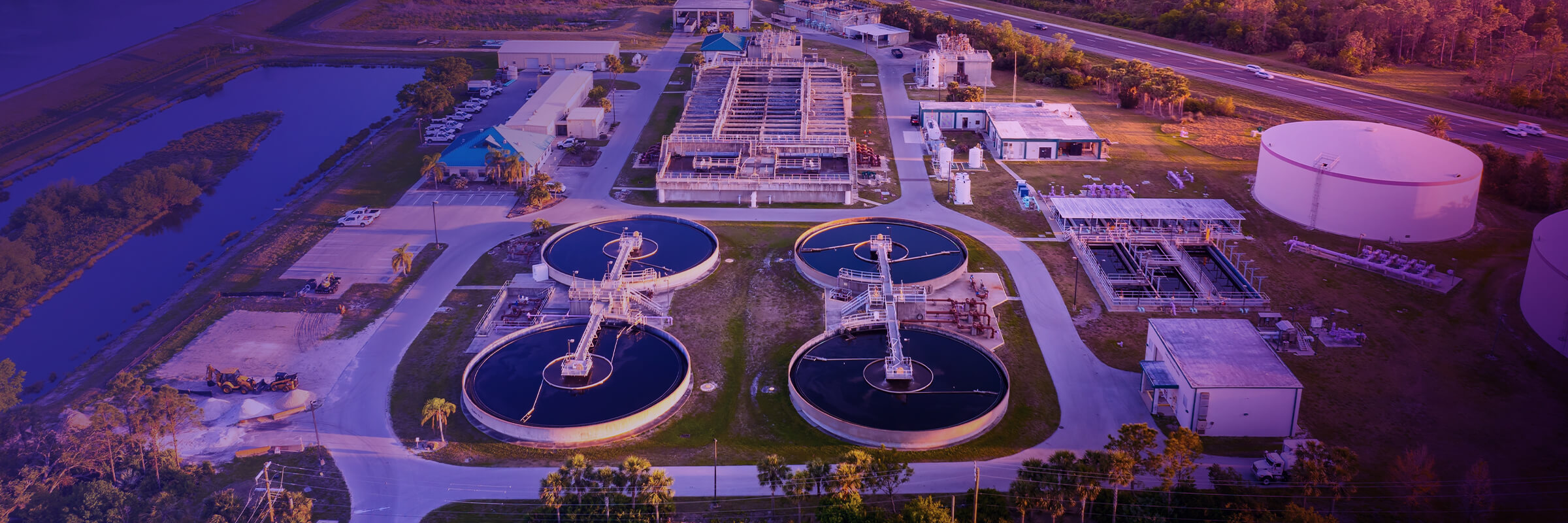
UV Disinfection for Wastewater Treatment: Meeting Discharge Standards Without Chemical Residues
UV wastewater disinfection is the preferred method for municipal and industrial effluent treatment. It eliminates pathogens before discharge without the chlorine residue problems that affect receiving waterways.
-
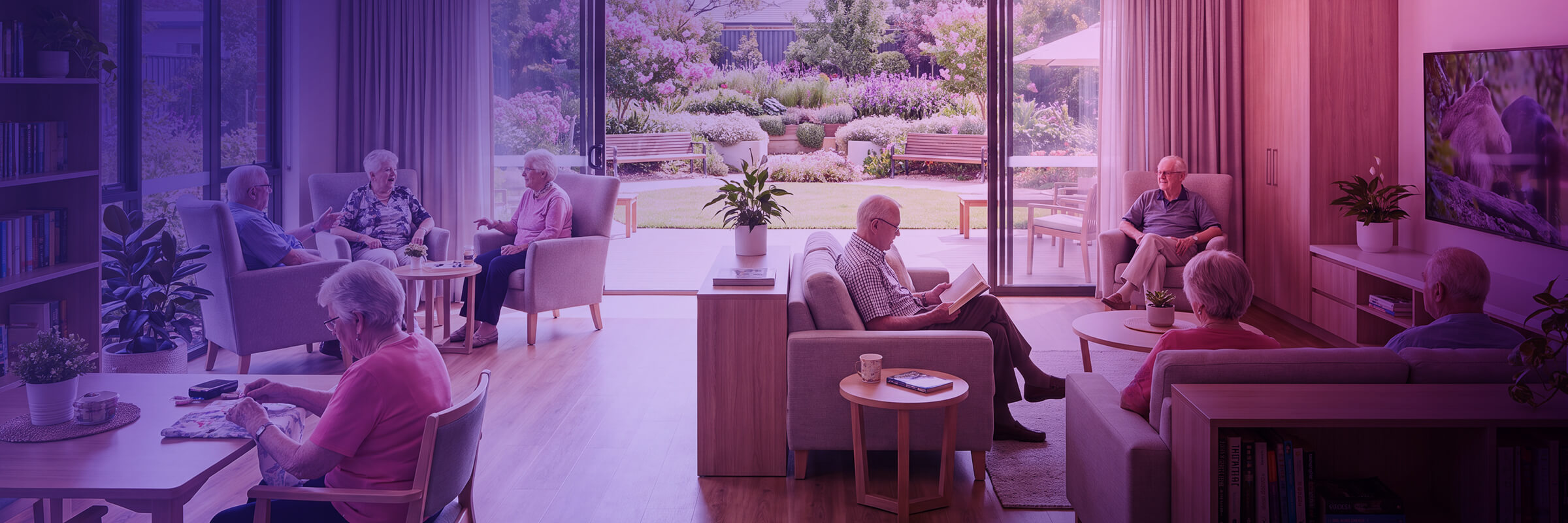
UV Disinfection for Warm Water Systems and Legionella Control: Protecting Vulnerable People
UV disinfection is an effective supplementary strategy for Legionella control in building water systems, reducing bacterial populations to protect immunocompromised patients, aged care residents and high-risk occupants.
Get in touch
Contact our team for expert guidance on selecting the right UV water treatment system, sourcing compatible spare parts, or confirming the correct components for your existing setup. We can also assist with servicing requirements to help maintain performance and long-term reliability.
Newsletter
Stay up-to-date with our very latest news, technology, offers and events.