UV Disinfection for Warm Water Systems and Legionella Control: Protecting Vulnerable People
Legionella pneumophila is a waterborne bacterium that causes Legionnaires disease, a potentially fatal form of pneumonia. While Legionella poses a risk to anyone who inhales contaminated water aerosols, the people most at risk are those with weakened immune systems: aged care residents, hospital patients on immunosuppressive treatment, organ transplant recipients, and people living with chronic respiratory or other serious conditions.
For facilities serving these populations, Legionella control is not a box-ticking exercise. It is a direct patient safety and duty of care obligation. UV disinfection provides a continuous, chemical-free layer of protection that works alongside thermal management to reduce Legionella populations in warm water systems.
Who Is Most at Risk
Legionnaires disease most commonly and most severely affects people over 50, smokers, and individuals with compromised immune function. In a general office building or hotel, the risk to the occupant population is real but statistically lower. In a hospital ward treating cancer patients, a residential aged care facility or a renal dialysis unit, the risk profile is fundamentally different.
Facilities serving immunocompromised populations need a more rigorous approach to Legionella control than a standard commercial building. The water safety plan for an aged care facility or specialist hospital ward should reflect that difference, and the control measures in place should match the level of risk.
The Legionella Risk Environment
Legionella proliferates in water between 20 and 50 degrees Celsius. Building hot water systems that distribute water at temperatures that allow sections of pipework to cool into this range create the conditions for rapid bacterial growth. Extended dead legs, infrequently used outlets and poorly insulated pipework are common problem areas.
High-risk water system types include:
- Large building domestic hot water systems with extensive distribution pipework.
- Cooling towers and evaporative condensers in commercial HVAC systems.
- Spa pools, hydrotherapy baths and decorative water features.
- Any warm water storage or circulation system with low-flow zones.
How UV Addresses Legionella
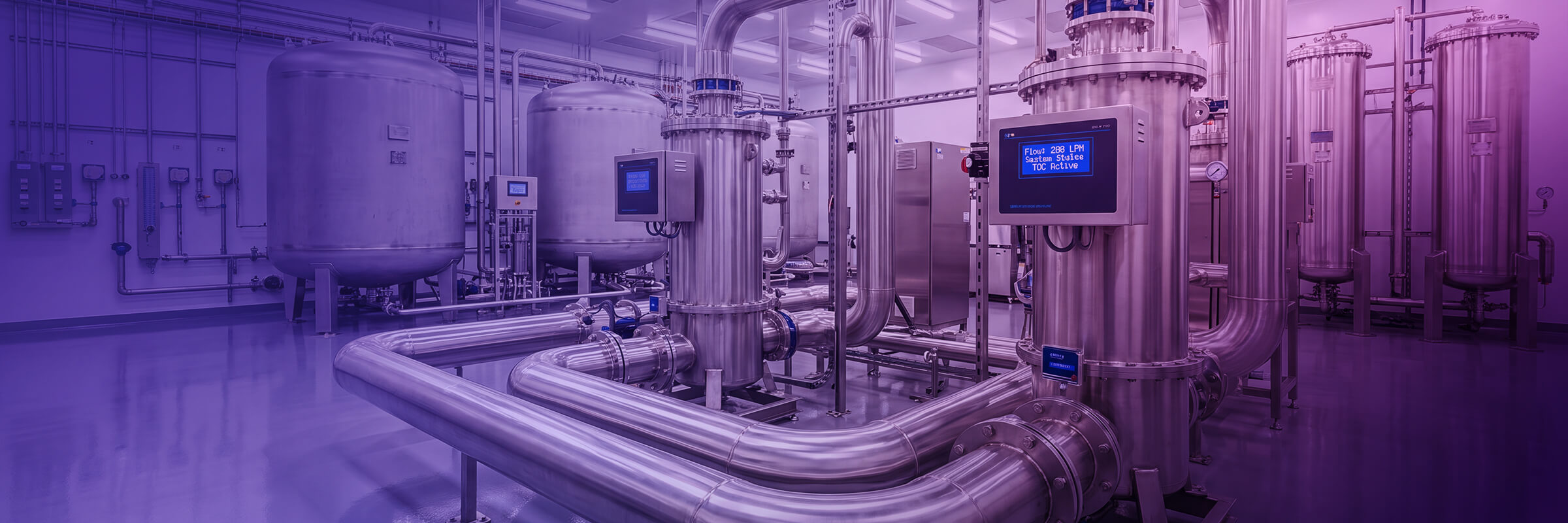
UV at 254nm is highly effective against Legionella pneumophila. In a warm water distribution system, a UV unit installed on the main circulation return loop treats the entire water volume on a continuous basis. Each pass through the UV chamber reduces the Legionella population in the circulating water.
UV does not provide a residual disinfectant effect in the distribution system downstream of the unit. This is why UV is used as a supplementary measure alongside thermal management protocols, not as a standalone replacement for temperature-based control.
In high-risk facilities, the combination of appropriate water temperature management and continuous UV disinfection provides a more robust defence than thermal management alone.
Regulatory and Compliance Context
Legionella control in building water systems is governed by specific regulations in most jurisdictions. In Australia, the relevant framework includes AS 3666 (Air Handling and Water Systems) and state-based public health regulations. In the UK, the HSE Approved Code of Practice L8 and CIBSE TM13 provide the technical framework. In the US, ASHRAE 188 governs water management programmes in buildings.
For aged care, hospital and healthcare facilities, additional sector-specific requirements often apply. Water Safety Plans for these facilities need to address the specific risks associated with the patient or resident population. UV disinfection is an accepted supplementary control measure within these frameworks.
UV in Aged Care and Healthcare Facilities
In a residential aged care facility, the entire resident population may fall within the high-risk category for Legionnaires disease. A single Legionella incident in this setting can have serious outcomes and significant regulatory consequences for the operator.
UV systems installed on the hot water circulation loop provide 24/7 microbial reduction with minimal operational burden. There are no chemicals to manage, no residues in the water, and the system operates continuously without operator intervention between service intervals.
UV Guard has supplied systems to healthcare and aged care facilities and can advise on appropriate system sizing and placement for these environments.
Frequently Asked Questions
Talk to Us About UV Water Treatment Solutions
Contact UV Guard to discuss UV Legionella control solutions for your facility.

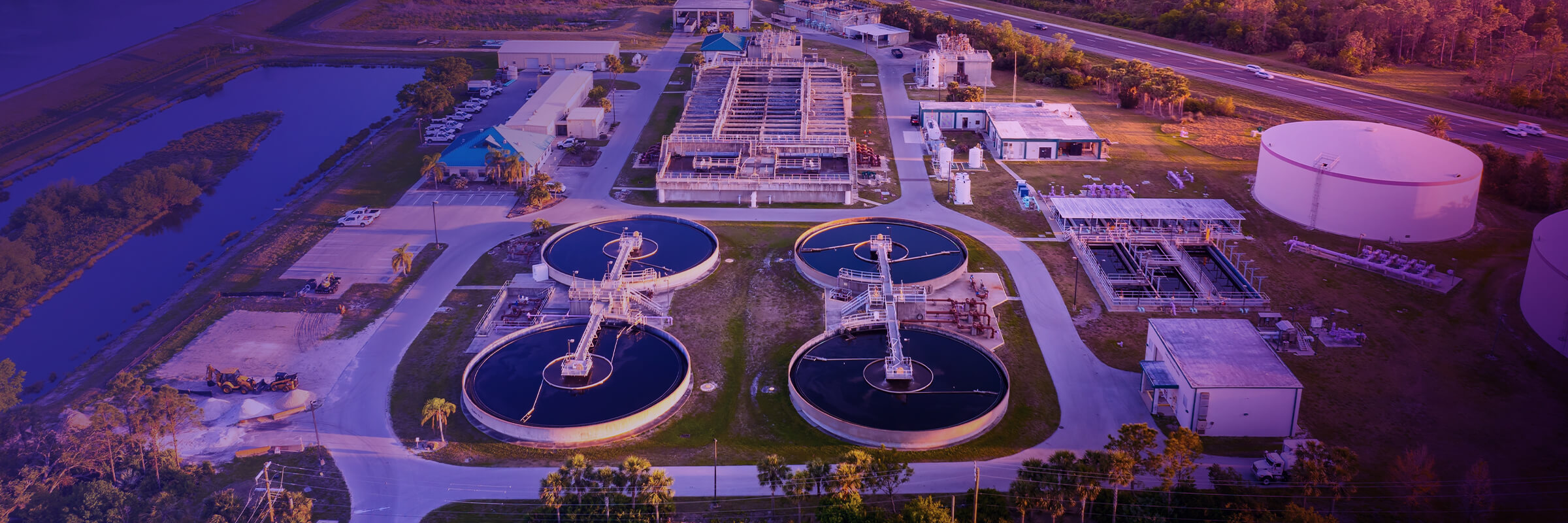
UV Disinfection for Wastewater Treatment: Meeting Discharge Standards Without Chemical Residues
UV wastewater disinfection is the preferred method for municipal and industrial effluent treatment. It eliminates pathogens before discharge without the chlorine residue problems that affect receiving waterways.
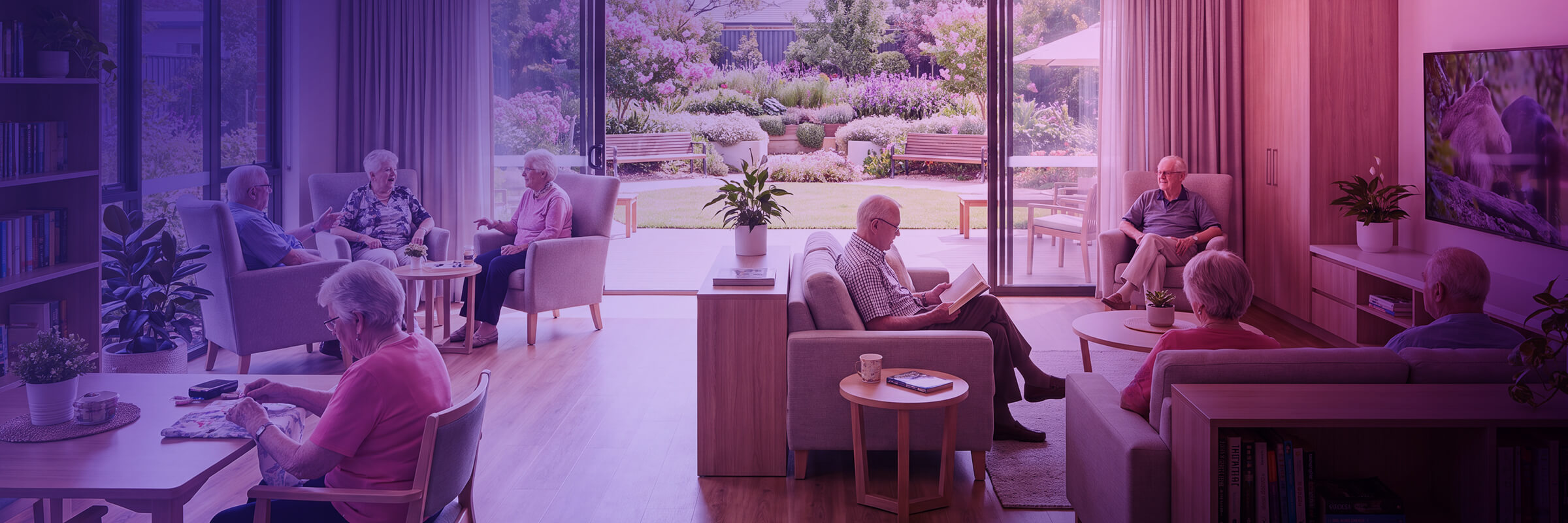
UV Disinfection for Warm Water Systems and Legionella Control: Protecting Vulnerable People
UV disinfection is an effective supplementary strategy for Legionella control in building water systems, reducing bacterial populations to protect immunocompromised patients, aged care residents and high-risk occupants.

Get in touch
Contact our team for expert guidance on selecting the right UV water treatment system, sourcing compatible spare parts, or confirming the correct components for your existing setup. We can also assist with servicing requirements to help maintain performance and long-term reliability.
Newsletter
Stay up-to-date with our very latest news, technology, offers and events.