UV Disinfection for Wastewater Treatment: Meeting Discharge Standards Without Chemical Residues
Categories: Armour, Armour X, Blog, Commercial, HWC-Series - Commercial, LED-Series - Commercial, MPX-Series, P-Series, S-Series, T-Series, VR C-Series, VR V-Series, VR W-Series, Wastewater, WF-Series, X-Series
Wastewater treatment plants discharge effluent to receiving waterways, reuse schemes or ocean outfalls. In all cases, the treated effluent must meet microbial quality standards to protect human health and aquatic ecosystems. UV disinfection has become the preferred technology for final effluent disinfection in municipal and industrial wastewater treatment, replacing chlorination at many facilities globally.
The reason is straightforward: UV disinfects effectively without leaving chlorine residues that are toxic to aquatic life in receiving waterways.
Limitations of Chlorination for Wastewater Disinfection
Chlorine has historically been the standard disinfectant for wastewater effluent. It is effective against most bacterial pathogens, but it creates two problems that UV avoids entirely.
First, chlorinated effluent discharged to rivers, estuaries and coastal waters carries free chlorine that is toxic to aquatic invertebrates, fish and algae at the concentrations needed for effective disinfection. Dechlorination is required before discharge, adding another chemical treatment step and associated cost.
Second, chlorine reacts with organic compounds in wastewater to form trihalomethanes and other disinfection by-products that are persistent environmental contaminants. UV produces none of these compounds.
UV Performance in Wastewater Applications
Wastewater effluent typically has lower UV transmittance than potable water due to dissolved organics, suspended solids and other UV-absorbing compounds. UV systems for wastewater applications are designed for these lower UV transmittance conditions and must deliver higher doses from higher-output lamps or longer exposure times.
Secondary-treated effluent typically achieves UV transmittance values of 55-70%. Tertiary-treated effluent following membrane filtration can reach 80% or above. The treatment level of the effluent determines the UV system size required to achieve target log reductions of indicator organisms.
Standard indicator organisms for wastewater disinfection compliance include E. coli and enterococci. Australian, European and US water quality guidelines define log reduction targets for these organisms based on the intended discharge route or reuse category.
Open Channel UV Systems for Municipal Wastewater
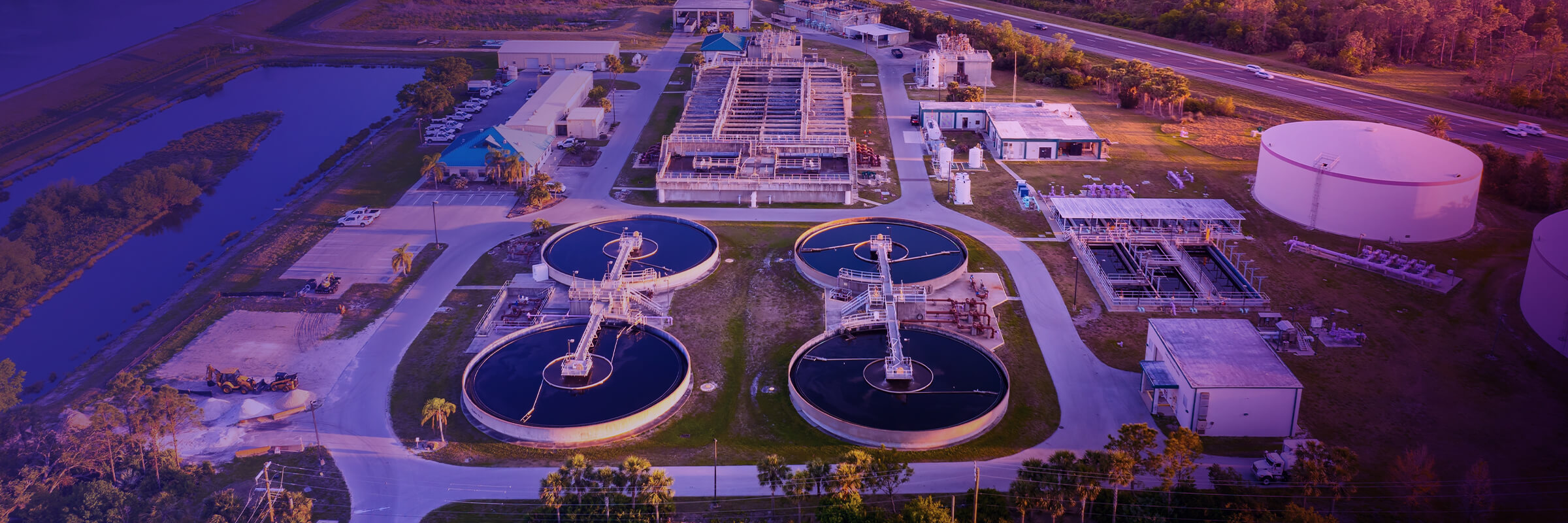
Municipal wastewater treatment plants handling large volumes typically use open channel UV systems in which water flows through a channel containing banks of UV lamp modules submerged in the water. This configuration handles variable flow rates efficiently and allows modules to be lifted out of service for maintenance without interrupting treatment.
Closed vessel UV systems are more common in smaller municipal plants and industrial effluent treatment applications. UV Guard commercial closed vessel systems are available in configurations suited to industrial wastewater and smaller community treatment facilities.
Frequently Asked Questions
Talk to Us About UV Water Treatment Solutions
Contact UV Guard to discuss UV disinfection systems for your wastewater treatment facility.
UV Disinfection for Wastewater Treatment: Meeting Discharge Standards Without Chemical Residues
UV wastewater disinfection is the preferred method for municipal and industrial effluent treatment. It eliminates pathogens before discharge without the chlorine residue problems that affect receiving waterways.

UV Disinfection for Warm Water Systems and Legionella Control: Protecting Vulnerable People
UV disinfection is an effective supplementary strategy for Legionella control in building water systems, reducing bacterial populations to protect immunocompromised patients, aged care residents and high-risk occupants.

Get in touch
Contact our team for expert guidance on selecting the right UV water treatment system, sourcing compatible spare parts, or confirming the correct components for your existing setup. We can also assist with servicing requirements to help maintain performance and long-term reliability.
Newsletter
Stay up-to-date with our very latest news, technology, offers and events.