

UV Disinfection for Aquatic Facilities: Better Water Quality with Fewer Chemicals
Categories: Aquatics, Armour, Armour X, Blog, Commercial, HWC-Series - Commercial, MPX-Series, P-Series, S-Series, T-Series, X-Series
Chlorine alone does not solve the water quality problems that aquatic facility managers face every day. Combined chloramines, the irritants responsible for the distinctive pool smell, eye redness and respiratory discomfort, form when chlorine reacts with body oils, urine and other organic bather load. UV disinfection removes these compounds while simultaneously reducing dependence on chemical dosing.
Public pools, leisure centres, water parks and hydrotherapy pools worldwide have integrated UV systems into their treatment trains to improve water quality, meet regulatory standards and reduce chemical handling costs.
The Problem with Chlorine-Only Treatment
Chlorine is an effective primary disinfectant, but it has two significant limitations in heavily used public pools. First, Cryptosporidium, one of the most common causes of pool-related gastroenteritis outbreaks, is highly chlorine resistant. At standard pool chlorine levels, complete inactivation of Crypto can take days. Second, the formation of chloramines and other disinfection by-products from organic matter creates an ongoing bather comfort and regulatory compliance challenge.
UV at 254nm inactivates Cryptosporidium and Giardia at doses that are readily achievable in a properly sized system. Both low pressure and medium pressure UV systems destroy chloramines through a photolysis process that breaks the nitrogen-chlorine bond, reducing total combined chlorine in the pool water.
Low Pressure vs Medium Pressure UV for Pools
Two UV lamp technologies are used in aquatic applications, and both are effective at reducing combined chlorine to regulatory requirements.
Low pressure UV systems emit monochromatic light at 254nm. They are highly energy efficient and well-suited to swim schools, hydrotherapy pools, splash pads and smaller facilities where running costs are a priority alongside water quality improvement.
Medium pressure UV systems emit broad-spectrum polychromatic UV light. They are more compact than low pressure systems of equivalent output, which is why they are the common choice for larger public pools and high-bather-load leisure centres where space in the plant room is limited.
Both technologies achieve regulatory combined chlorine outcomes. UV Guard can advise on the most appropriate technology for your facility type and plant room constraints.
Regulatory Context
Most jurisdictions regulate total combined chlorine in public pool water at less than 1 ppm (1 mg/L). In practice, well-managed facilities with UV supplementary treatment consistently achieve combined chlorine well below this threshold, reducing compliance risk and improving the bather experience.
Pool water standards in Australia, the UK, Germany and other markets now explicitly acknowledge UV as a supplementary disinfection method. PWTAG guidelines in the UK recommend UV for Cryptosporidium control in public pools. Australian state health departments have begun incorporating UV into guidelines for hydrotherapy and public bathing facilities.
UV Guard can provide technical documentation to support compliance submissions and system design justification for regulatory authorities.
Reducing Chemical Use and Operating Costs
Facilities that install UV systems consistently report reductions in chlorine consumption. The reduction comes from two sources: UV’s direct inactivation of microorganisms (reducing the work chlorine needs to do) and the destruction of chloramines, which would otherwise demand additional breakpoint chlorination.
Lower chemical use translates to reduced procurement costs, lower storage and handling requirements, and reduced staff exposure to chemical handling risks.
Frequently Asked Questions
Talk to Us About UV Disinfection Solutions
Contact UV Guard to discuss UV options for your pool or aquatic facility.

UV Disinfection for Wastewater Treatment: Meeting Discharge Standards Without Chemical Residues
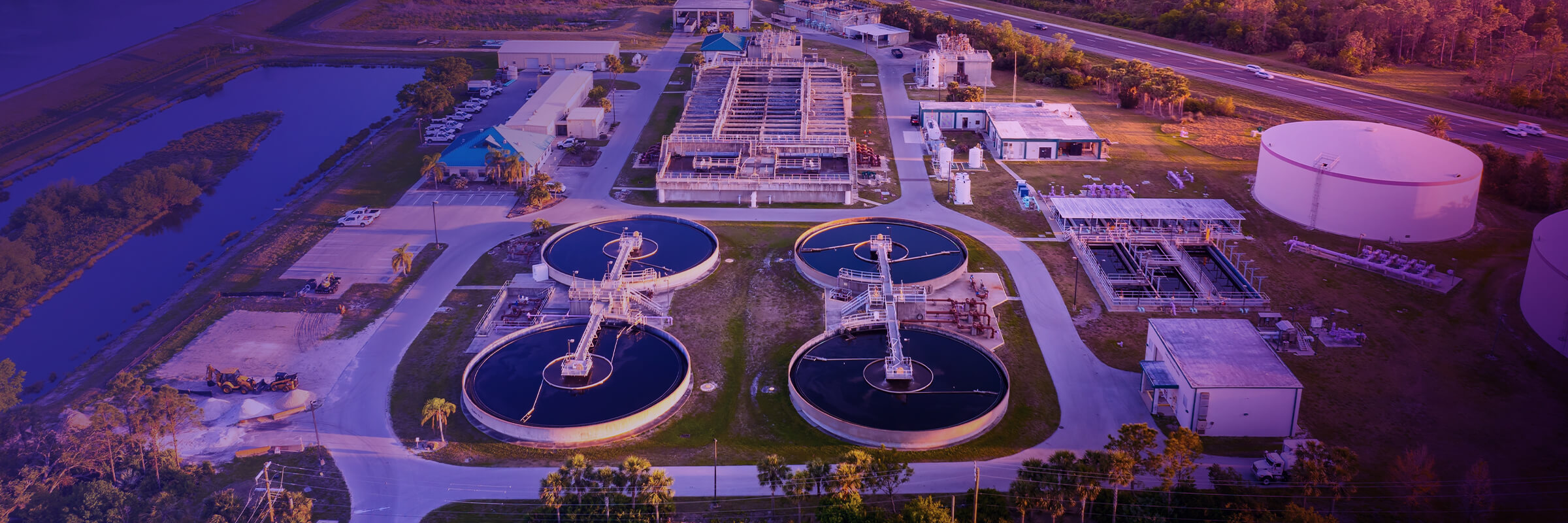
UV wastewater disinfection is the preferred method for municipal and industrial effluent treatment. It eliminates pathogens before discharge without the chlorine residue problems that affect receiving waterways.
-
UV Disinfection for Warm Water Systems and Legionella Control: Protecting Vulnerable People
UV disinfection is an effective supplementary strategy for Legionella control in building water systems, reducing bacterial populations to protect immunocompromised patients, aged care residents and high-risk occupants.


Get in touch
Contact our team for expert guidance on selecting the right UV water treatment system, sourcing compatible spare parts, or confirming the correct components for your existing setup. We can also assist with servicing requirements to help maintain performance and long-term reliability.
Newsletter
Stay up-to-date with our very latest news, technology, offers and events.