
UV for Chlorine and Chloramine Destruction: A Practical Guide for Water Processors
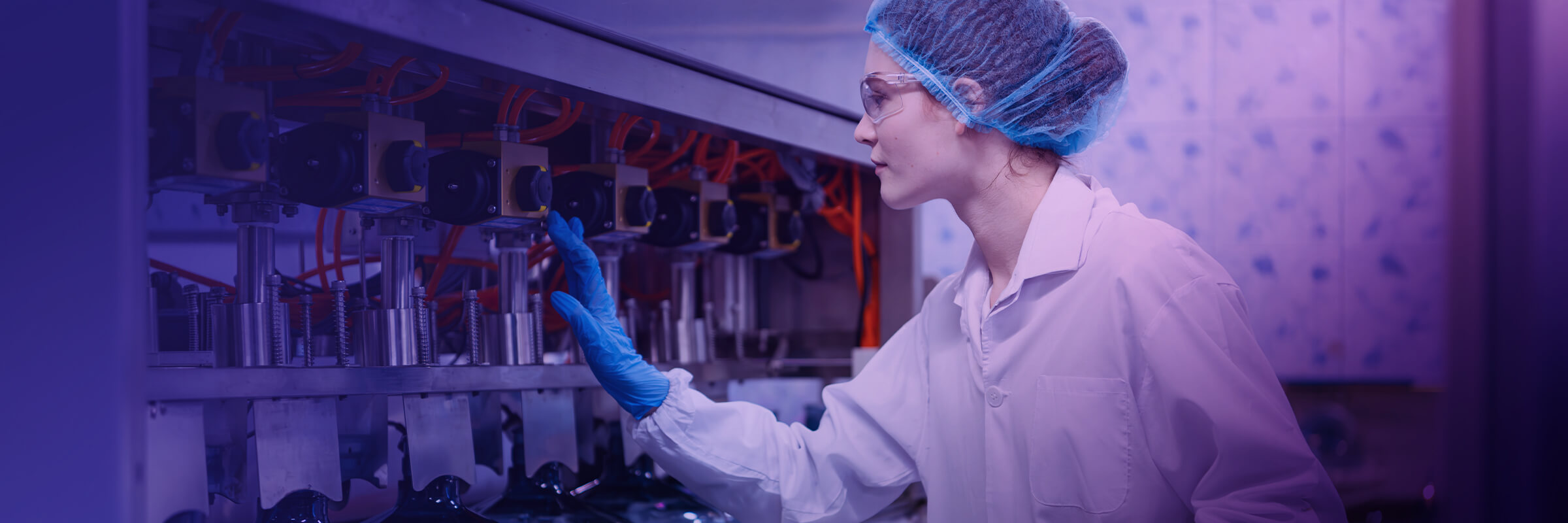
Chlorine and chloramine are effective disinfectants in drinking water supply, but they become a problem in specific downstream processes. Semiconductor manufacturing, pharmaceutical purification, renal dialysis water systems and food processing operations all require water free from these oxidants before it enters critical process steps.
UV photolysis is a widely used method for dechlorination in these applications, typically used in conjunction with activated carbon to achieve the most reliable and complete chlorine and chloramine removal.
Why Chlorine Must Be Removed in Process Applications
Chlorine and chloramine damage ion exchange resins used in ultrapure water systems, reducing their service life and increasing operating costs. In semiconductor fabrication, trace oxidants contaminate deionised water loops and compromise chip production yields. In renal dialysis, even very low concentrations of chloramine cause haemolytic anaemia in patients on long-term dialysis treatment.
UV and Activated Carbon: A Complementary Approach
For most chlorine and chloramine destruction applications, UV is used alongside activated carbon rather than as a standalone replacement. Activated carbon is effective at adsorbing chlorine and organic compounds and provides complementary treatment to UV photolysis. The combination delivers more complete and reliable dechlorination than either technology alone.
Carbon filtration also addresses taste, odour and organic compound removal that UV does not. In applications where these are a concern alongside dechlorination, the combined approach is standard practice.
Medium pressure UV lamps are commonly used in chlorine and chloramine destruction applications. Their broad-spectrum output provides effective photolysis across a range of oxidant compounds.
The UV Photolysis Mechanism
Free chlorine and chloramine compounds absorb UV light in the 200-280nm range. UV energy breaks chemical bonds in these compounds, initiating the dechlorination reaction. The hydroxyl radicals generated in this process can then react with other trace contaminants, making UV a useful component in advanced oxidation processes (AOP) when combined with hydrogen peroxide.
The key design variable is UV dose, expressed as mJ/cm2. Dose required varies with initial chlorine concentration and the specific compound to be destroyed. UV Guard can assist with system selection for specific applications.
Industries and Applications
Common applications for UV-based dechlorination include:
- Semiconductor and electronics manufacturing: protecting deionised water systems from oxidant damage.
- Pharmaceutical and biotech: removing chlorine ahead of membrane and purification stages.
- Renal dialysis water treatment: removing chloramine before reverse osmosis and deionisation stages.
- Power generation: protecting ion exchange systems in boiler make-up water treatment.
- Food and beverage processing: removing residual disinfectants from process water before product contact.
System Design Considerations
Effective chlorine and chloramine removal with UV requires:
- Knowing the initial chlorine or chloramine concentration in the feed water.
- Selecting UV lamp technology appropriate to the target compound, with medium pressure UV commonly specified for these applications.
- Using UV in conjunction with activated carbon filtration for complete and reliable dechlorination.
- Monitoring UV output with calibrated sensors and alarms to detect lamp degradation.
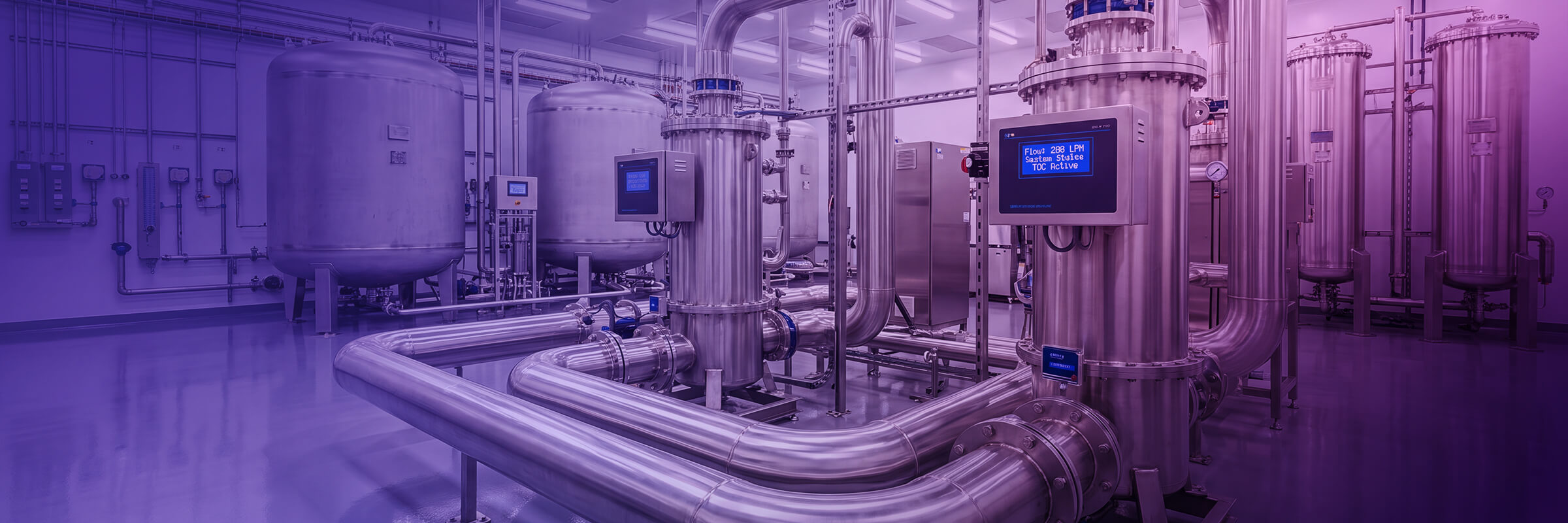
UV Guard commercial systems are available with integrated UV intensity monitoring and automated controls. Contact our team for application-specific design support.
Frequently Asked Questions
Talk to Us About UV Water Treatment Solutions
Contact the UV Guard technical team to discuss dechlorination requirements for your process.

UV Disinfection for Wastewater Treatment: Meeting Discharge Standards Without Chemical Residues
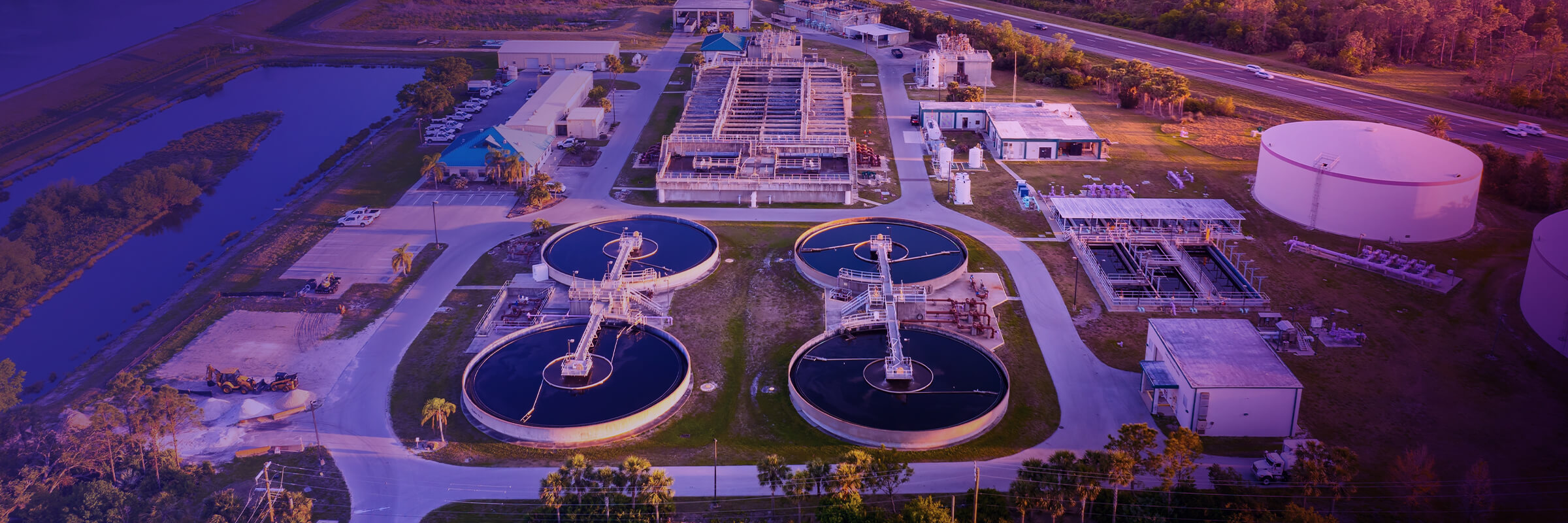
UV wastewater disinfection is the preferred method for municipal and industrial effluent treatment. It eliminates pathogens before discharge without the chlorine residue problems that affect receiving waterways.
-
UV Disinfection for Warm Water Systems and Legionella Control: Protecting Vulnerable People
UV disinfection is an effective supplementary strategy for Legionella control in building water systems, reducing bacterial populations to protect immunocompromised patients, aged care residents and high-risk occupants.


Get in touch
Contact our team for expert guidance on selecting the right UV water treatment system, sourcing compatible spare parts, or confirming the correct components for your existing setup. We can also assist with servicing requirements to help maintain performance and long-term reliability.
Newsletter
Stay up-to-date with our very latest news, technology, offers and events.