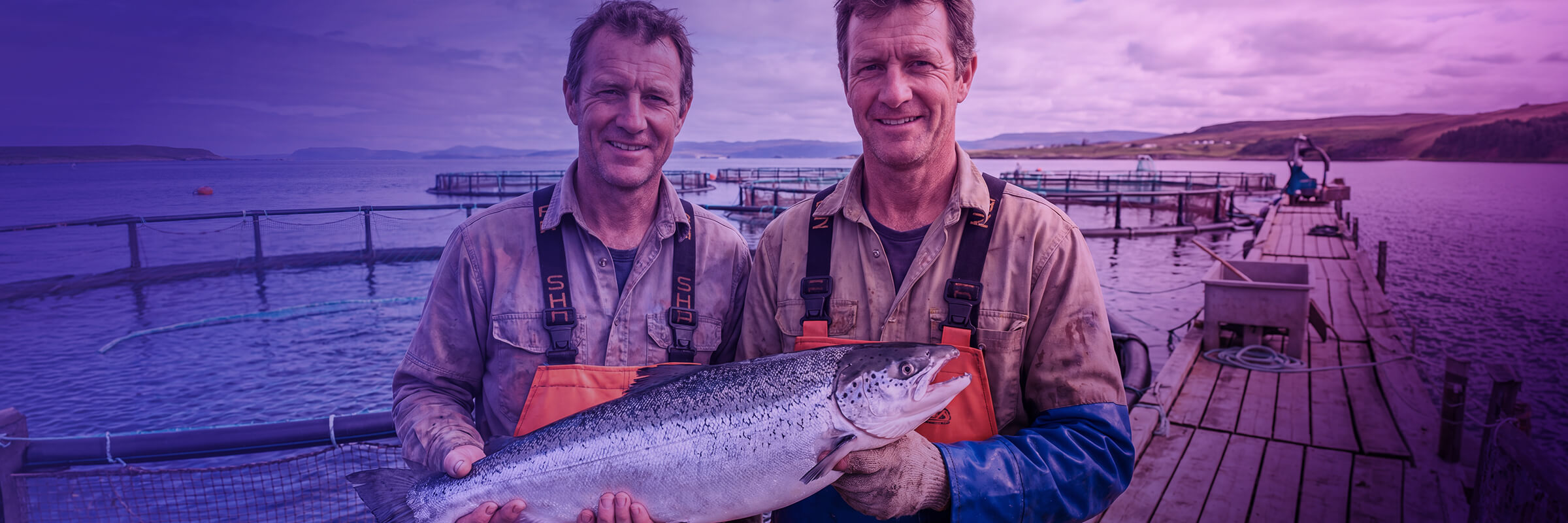
UV Disinfection in Aquaculture: Protecting Fish Health and Production Continuity
Categories: Aquaculture, Armour, Armour X, Blog, Commercial, MPX-Series, P-Series, S-Series, T-Series, WF-Series, X-Series
Waterborne disease is the single largest cause of production loss in commercial aquaculture. Viruses, bacteria and parasitic organisms move rapidly through shared water supplies in recirculating systems, net pens and hatcheries. Once established, an outbreak can devastate an entire cohort.
UV disinfection has become a standard biosecurity tool in aquaculture precisely because it eliminates pathogens without the chemical residues and water quality side effects that harm aquatic species.
The Biosecurity Challenge in Aquaculture Water Supplies
Aquaculture operations draw water from sources that carry natural microbial loads: ocean intakes, freshwater rivers, bores and recycled systems. Some of the most damaging aquaculture pathogens including Infectious Salmon Anaemia (ISA) virus, Viral Haemorrhagic Septicaemia (VHS), Renibacterium salmoninarum and various Vibrio species are waterborne.
Chemical disinfection with chlorine or iodine creates residue challenges that require dechlorination steps, adding complexity and cost. Ozone is effective but carries dissolved gas risks and requires precise dosing. UV is the option that delivers reliable pathogen reduction with no residues, no gas handling and no change to the chemical balance of the water that fish depend on.
How UV Systems Fit Into Aquaculture Operations
UV units are typically installed on water intake lines before water enters hatchery, grow-out or recirculating aquaculture systems (RAS). In RAS operations, UV is often installed on the recirculating loop to continuously treat water between fish tanks and filtration stages.
For shellfish hatcheries, UV treatment of algal culture water and larval rearing water is common practice. The elimination of competitor organisms and pathogens in these sterile culture environments directly affects survival rates and production efficiency.
Key Pathogens Addressed by UV Disinfection
UV at 254nm is effective against a broad range of aquaculture-relevant pathogens including:
- Bacterial: Aeromonas salmonicida, Vibrio anguillarum, Renibacterium salmoninarum, Yersinia ruckeri.
- Viral: Infectious Pancreatic Necrosis (IPN) virus, Infectious Haematopoietic Necrosis (IHN) virus, ISA virus.
- Parasitic: Gyrodactylus salaris (salmon fluke), Ichthyophthirius multifiliis (Ich).
UV dose requirements vary by target organism. Protozoan cysts and some viral pathogens require higher doses than standard bacterial targets. UV Guard systems are designed to deliver appropriate doses for aquaculture applications.
System Selection for Aquaculture
Flow rate and UV transmittance of the source water are the primary sizing parameters. Seawater and highly coloured freshwater sources absorb UV light more readily, requiring higher-output systems. Pre-filtration to remove suspended solids is essential ahead of the UV unit.
UV Guard commercial systems are available in configurations suited to hatchery water supplies, large flow intake lines and recirculating system loops. Our team can advise on appropriate UV doses for specific pathogen targets and water quality conditions.
Frequently Asked Questions
Talk to Us About UV Water Treatment Solutions
Speak with the UV Guard technical team about your aquaculture application or browse our full systems range.

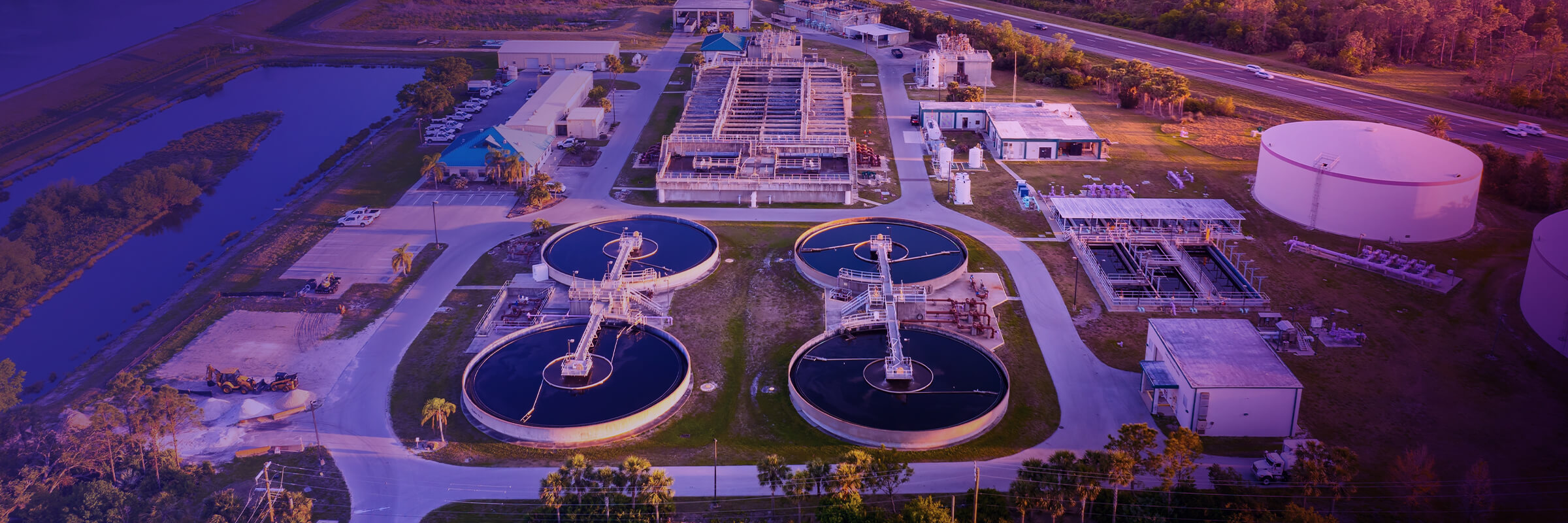
UV Disinfection for Wastewater Treatment: Meeting Discharge Standards Without Chemical Residues
UV wastewater disinfection is the preferred method for municipal and industrial effluent treatment. It eliminates pathogens before discharge without the chlorine residue problems that affect receiving waterways.
-
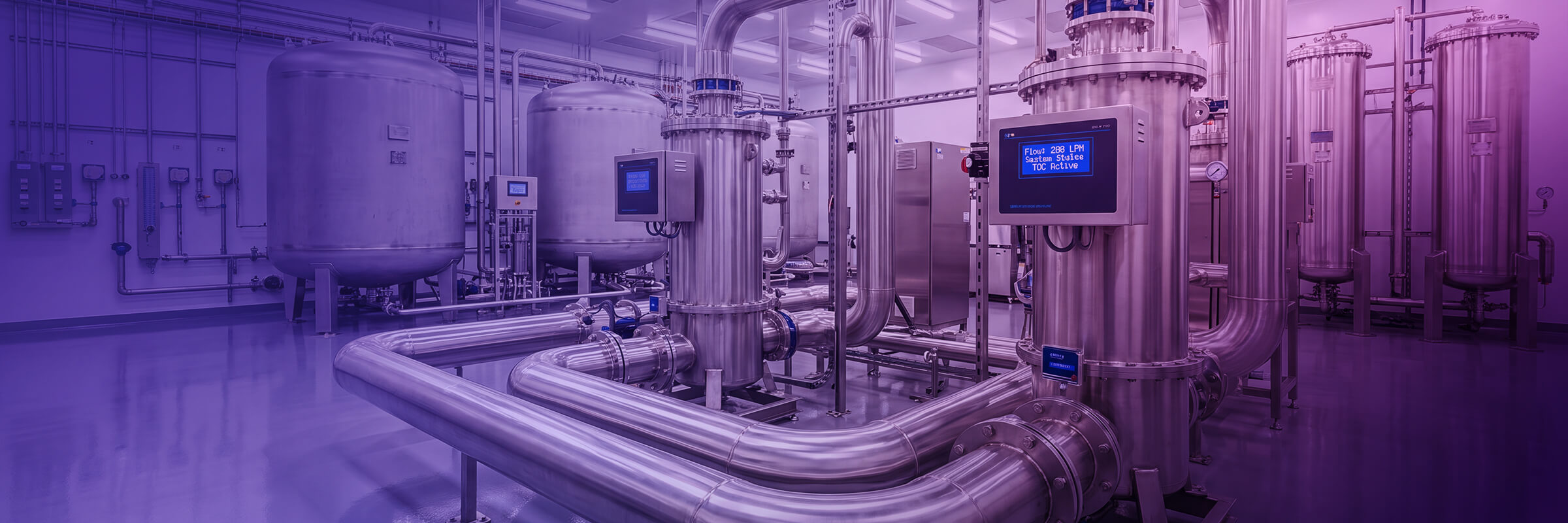
UV Disinfection for Warm Water Systems and Legionella Control: Protecting Vulnerable People
UV disinfection is an effective supplementary strategy for Legionella control in building water systems, reducing bacterial populations to protect immunocompromised patients, aged care residents and high-risk occupants.

Get in touch
Contact our team for expert guidance on selecting the right UV water treatment system, sourcing compatible spare parts, or confirming the correct components for your existing setup. We can also assist with servicing requirements to help maintain performance and long-term reliability.
Newsletter
Stay up-to-date with our very latest news, technology, offers and events.