UV Water Treatment in Industrial and Manufacturing Facilities: Protecting Processes and Reducing Risk
Categories: AQ Silver Ionisation, AQ UV-Disinfection, Armour, Armour X, Blog, Commercial, HWC-Series - Commercial, Industrial & Manufacturing, LED-Series - Commercial, MPX-Series, P-Series, Residential, S-Series, T-Series, T-Series, VR C-Series, VR LT-Series, VR SUV-Series, VR V-Series, VR W-Series, WF-Series, X-Series
Industrial water users face a unique combination of challenges: high-volume process water requirements, strict effluent discharge standards, and often complex source water quality issues that affect process performance and equipment longevity.
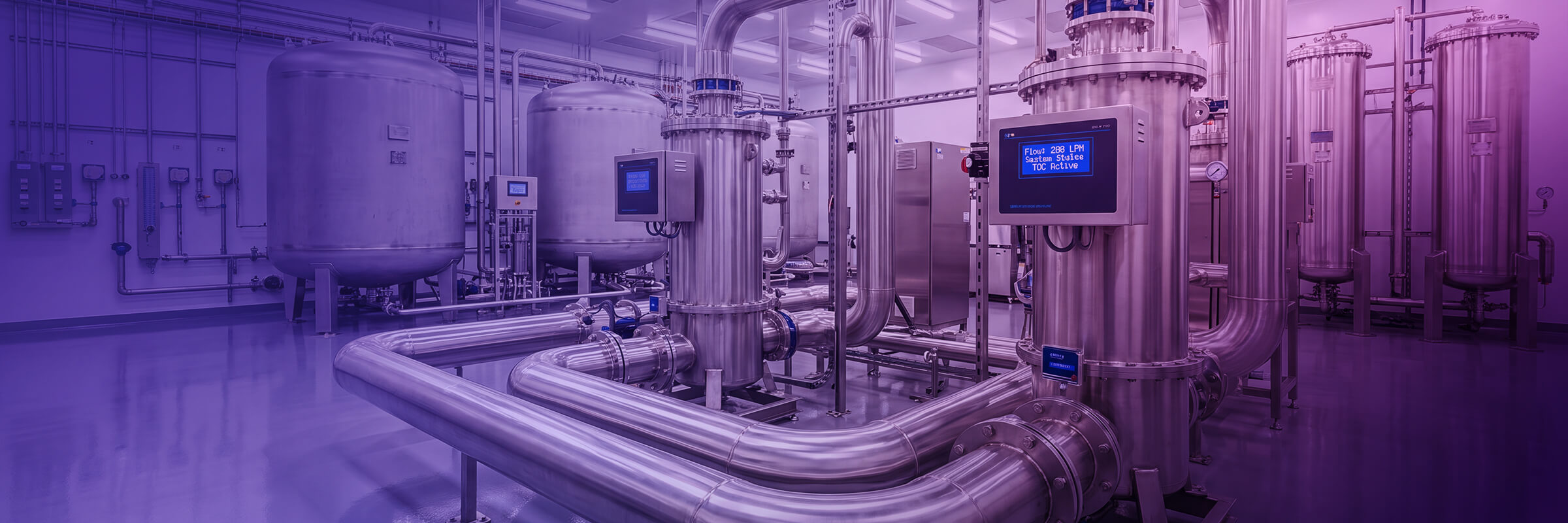
UV disinfection and UV-based photolysis are applied across industrial and manufacturing settings for pathogen control, dechlorination, ozone destruction, TOC reduction and advanced oxidation. It is a compact, reliable technology that fits into complex process water systems without the complications of chemical dosing.
Core Applications in Industrial Settings
UV treatment is used across several distinct process water functions in manufacturing:
- Cooling tower water: treating make-up and recirculating water to control Legionella and biofilm formation.
- Ultrapure water production: removing chlorine and chloramines before ion exchange and membrane stages.
- Effluent polishing: disinfecting treated wastewater before environmental discharge to meet licence conditions.
- Process water disinfection: protecting water-cooled tooling, hydraulic systems and product contact circuits.
- Ozone destruction: removing residual ozone from water treatment systems before discharge or reuse.
UV in Ultrapure Water Systems
Semiconductor fabs, electronics manufacturing and high-precision optical production require ultrapure water with extremely low levels of total organic carbon, ions, particles and microbial contamination. UV is a standard component of ultrapure water production systems for two reasons: dechlorination ahead of ion exchange systems, and TOC reduction through UV photolysis at 185nm.
At 185nm, UV light generates hydroxyl radicals from water molecules, which attack and mineralise organic compounds. Combined with longer wavelength 254nm UV, this achieves both disinfection and TOC reduction in a single inline unit.
Legionella Control in Industrial Cooling Systems
Cooling towers and evaporative condensers in industrial facilities are primary Legionella risk environments. Warm water, recirculation and aerosol generation create conditions where Legionella pneumophila can proliferate rapidly if water quality management is inadequate.
UV disinfection of cooling tower make-up water and recirculating water provides continuous microbial control without the corrosion and environmental concerns associated with high chemical biocide dosing. It is used in conjunction with chemical treatment rather than as a complete replacement.
Effluent Treatment and Discharge Compliance
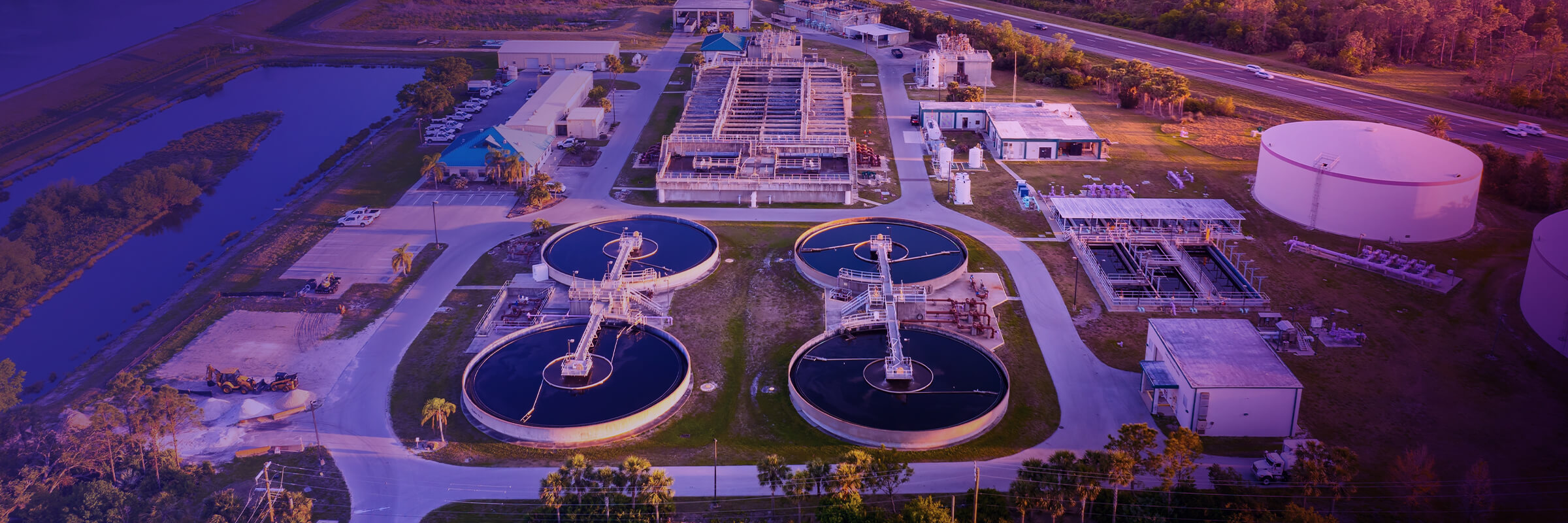
Industrial wastewater treatment processes produce effluent that must meet licence discharge standards for microbial quality before release to sewer, waterway or land. UV disinfection of treated industrial effluent is a well-established approach that avoids the residual chlorine issues that arise with chemical disinfection.
UV Guard commercial systems can be sized for industrial effluent treatment applications including food processing wastewater, abattoir effluent and general manufacturing trade waste.
Frequently Asked Questions
Talk to Us About UV Water Treatment Solutions
Speak with UV Guard about water treatment solutions for your industrial facility.

UV Disinfection for Wastewater Treatment: Meeting Discharge Standards Without Chemical Residues
UV wastewater disinfection is the preferred method for municipal and industrial effluent treatment. It eliminates pathogens before discharge without the chlorine residue problems that affect receiving waterways.
-
UV Disinfection for Warm Water Systems and Legionella Control: Protecting Vulnerable People
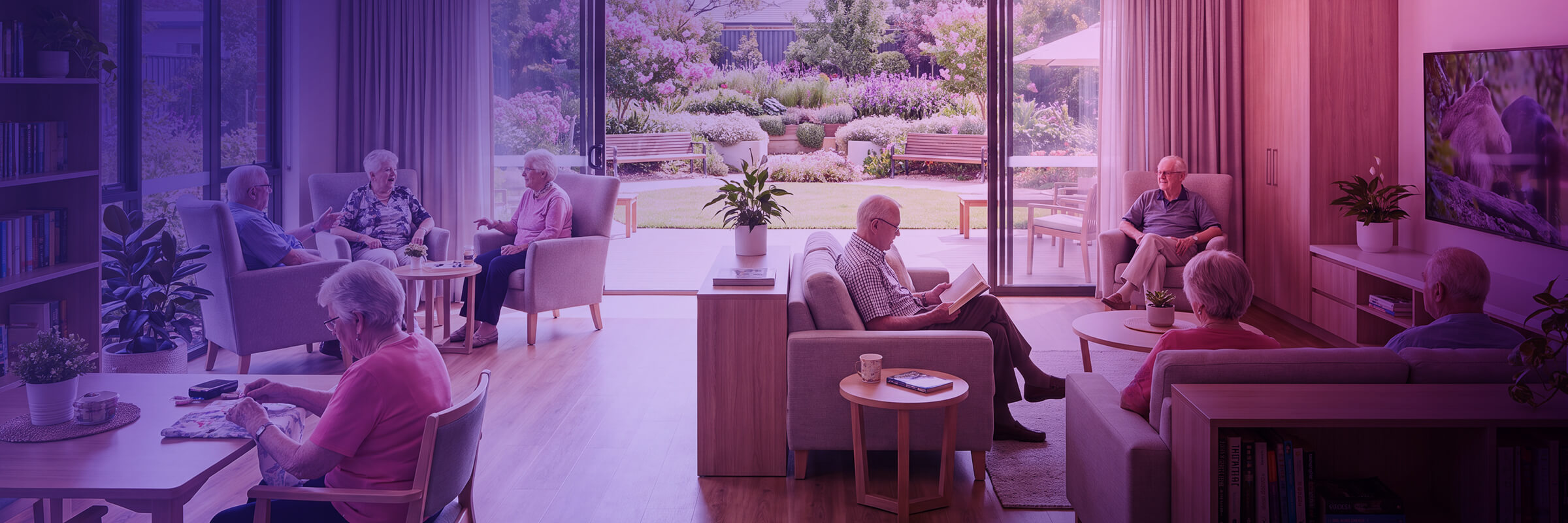
UV disinfection is an effective supplementary strategy for Legionella control in building water systems, reducing bacterial populations to protect immunocompromised patients, aged care residents and high-risk occupants.

Get in touch
Contact our team for expert guidance on selecting the right UV water treatment system, sourcing compatible spare parts, or confirming the correct components for your existing setup. We can also assist with servicing requirements to help maintain performance and long-term reliability.
Newsletter
Stay up-to-date with our very latest news, technology, offers and events.