UV Drinking Water Disinfection: The Chemical-Free Standard for Safe Water Supply
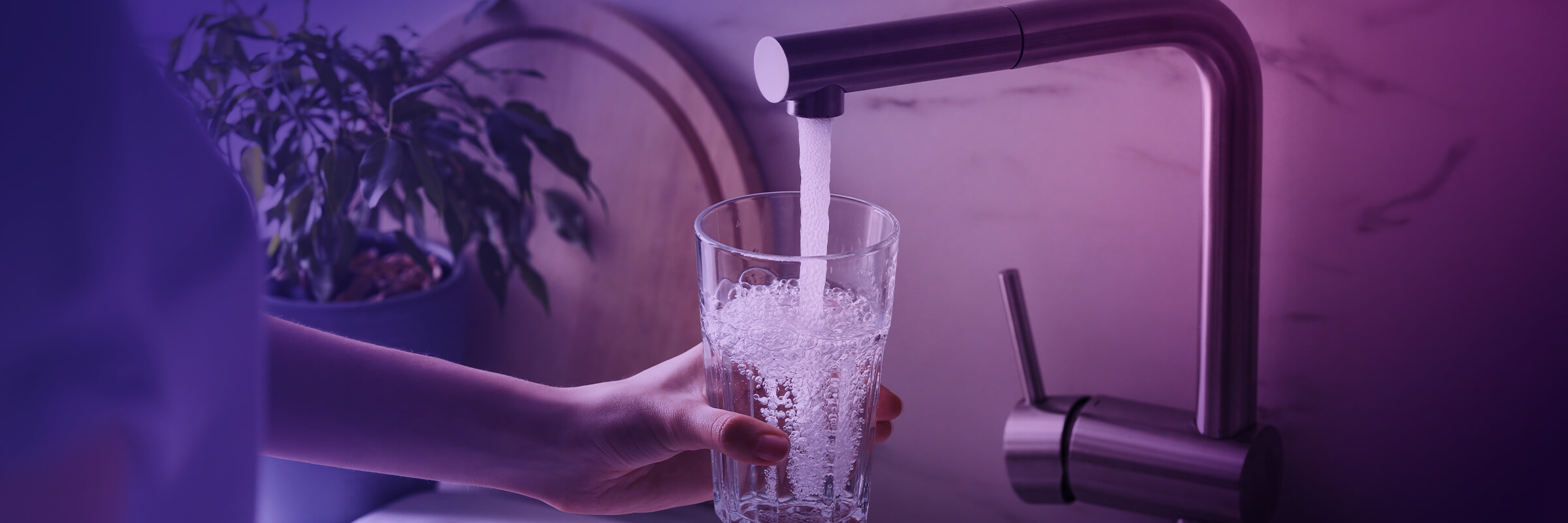
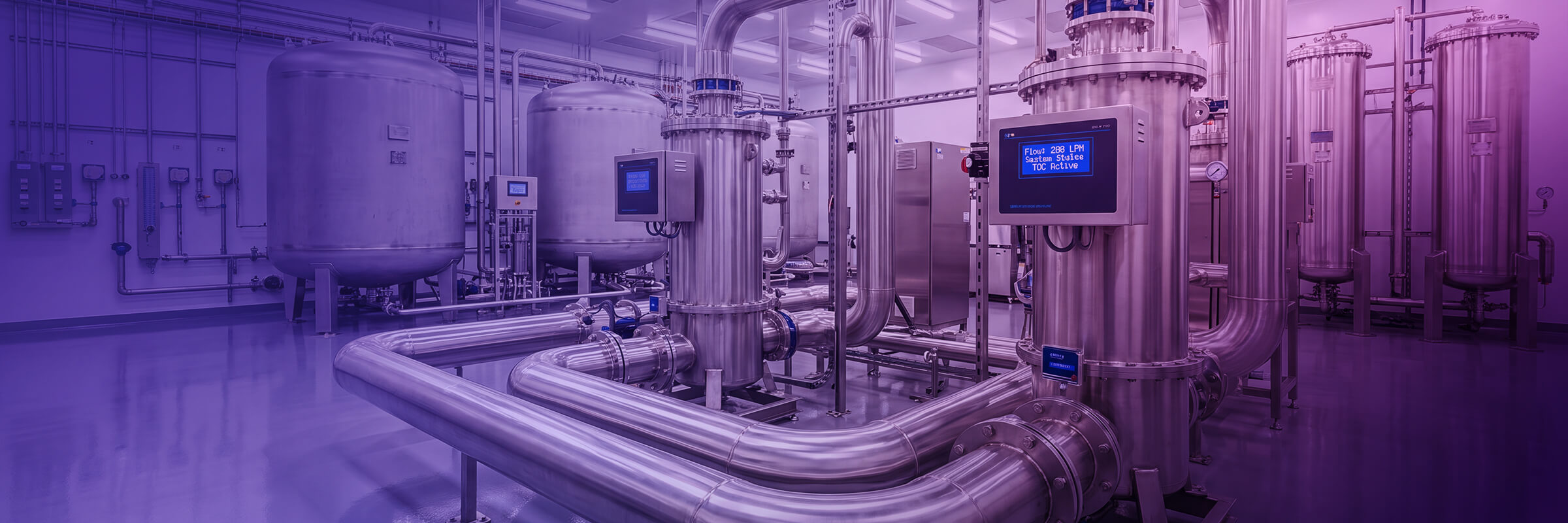
Safe drinking water should not come with chemical aftertaste, by-products or a complex maintenance regime. UV disinfection delivers effective pathogen control from a small, inline unit that requires no chemical handling, produces no by-products and does not alter the taste, odour or mineral content of the water.
From single household bore supplies to large municipal treatment plants, UV is now the reference technology for chemical-free primary disinfection.
What UV Disinfection Actually Does
UV light at 254nm penetrates the cell wall of bacteria, viruses and protozoa and disrupts their DNA or RNA. The organism cannot replicate and is effectively neutralised. This process works against the full spectrum of waterborne pathogens including Escherichia coli, Enterococcus, Legionella, Cryptosporidium parvum and Giardia lamblia.
Critically, UV is effective against Cryptosporidium and Giardia, which are highly chlorine resistant and have been responsible for some of the largest waterborne illness outbreaks on record.
Residential Applications
Homeowners on bore water, rainwater tanks, rural supplies or private wells rely on UV as the final stage of a whole-of-house water treatment system. A typical residential configuration includes a sediment pre-filter, a UV unit sized to the household peak flow rate, and in some cases a carbon post-filter for taste and odour.
UV Guard residential systems are compact, low-maintenance units designed for easy installation under a bench or in a utility area. Lamp replacement is the primary maintenance task, required annually or at 9,000 operating hours.
Commercial and Institutional Applications
Hotels, restaurants, schools, aged care facilities, hospitals and office buildings all have regulatory obligations around water quality at point of use. UV disinfection is an effective strategy for:
- Whole-building water treatment on incoming mains supply as a secondary disinfection barrier.
- Point-of-use treatment at ice machines, beverage dispensers and kitchen equipment.
- Treatment of stored water in rooftop tanks where chlorine residual degrades over time.
- Legionella risk management in warm water systems in conjunction with thermal management.
See our commercial UV systems range for flow rate options appropriate to mid-size to large commercial buildings.
Municipal and Community Water Supplies
Water utilities in Australia, New Zealand, the US, Canada and Europe use UV as a primary or secondary disinfection step at treatment plants. The Australian Drinking Water Guidelines (ADWG) recognise UV as a disinfection barrier in water safety planning frameworks, and UV is widely specified in community water treatment infrastructure.
UV Guard large commercial systems cover the flow rate requirements of community-scale and municipal treatment applications. Contact the team to discuss your facility requirements.
Pre-Treatment Requirements
UV effectiveness depends on the clarity of the water passing through the chamber. Turbidity, iron, manganese and organic colour all absorb UV light and reduce the dose delivered to target organisms. Pre-treatment is essential when source water does not meet minimum UV transmittance requirements.
Common pre-treatment steps include sediment filtration (5 micron), iron removal, and whole-house carbon filtration. UV Guard can assist with water quality assessment and pre-treatment recommendations.
Frequently Asked Questions
Talk to Us About UV Water Treatment Solutions
Contact UV Guard to find the right drinking water UV system for your home, business or facility.

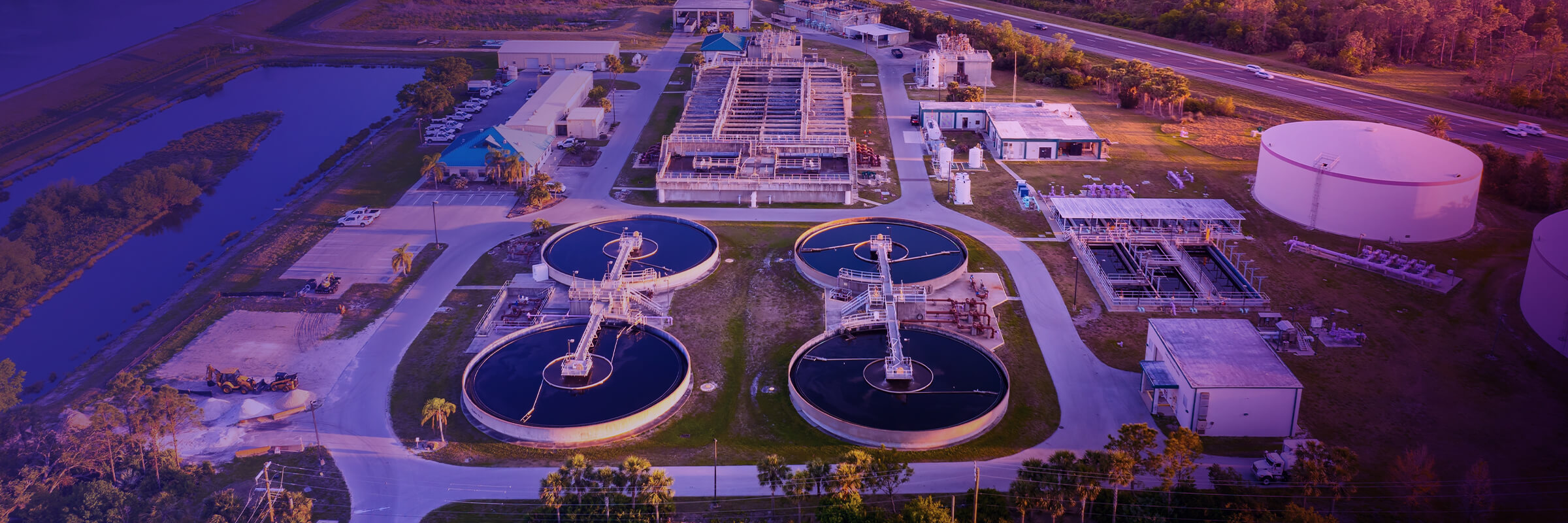
UV Disinfection for Wastewater Treatment: Meeting Discharge Standards Without Chemical Residues
UV wastewater disinfection is the preferred method for municipal and industrial effluent treatment. It eliminates pathogens before discharge without the chlorine residue problems that affect receiving waterways.
-
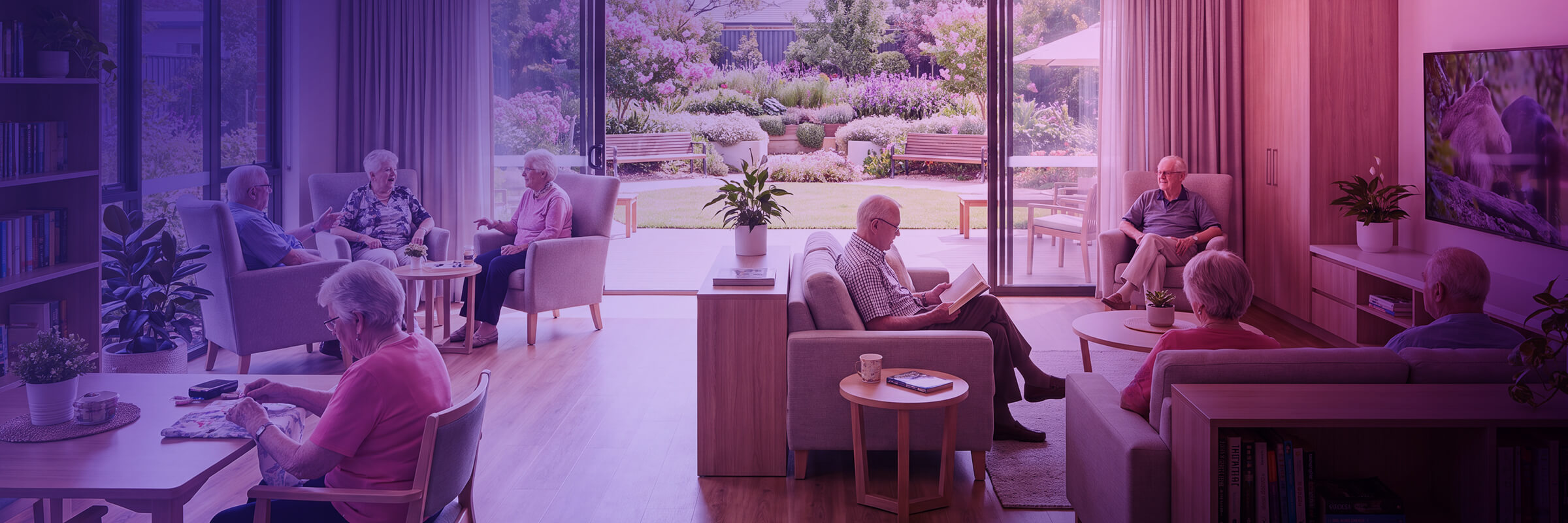
UV Disinfection for Warm Water Systems and Legionella Control: Protecting Vulnerable People
UV disinfection is an effective supplementary strategy for Legionella control in building water systems, reducing bacterial populations to protect immunocompromised patients, aged care residents and high-risk occupants.

Get in touch
Contact our team for expert guidance on selecting the right UV water treatment system, sourcing compatible spare parts, or confirming the correct components for your existing setup. We can also assist with servicing requirements to help maintain performance and long-term reliability.
Newsletter
Stay up-to-date with our very latest news, technology, offers and events.