
UV Disinfection for Stormwater Treatment and Reuse: Meeting Quality Standards for Urban Water Recycling
Categories: Armour, Armour X, Blog, Commercial, LED-Series - Commercial, MPX-Series, P-Series, S-Series, Stormwater, T-Series, VR C-Series, VR V-Series, VR W-Series, WF-Series, X-Series
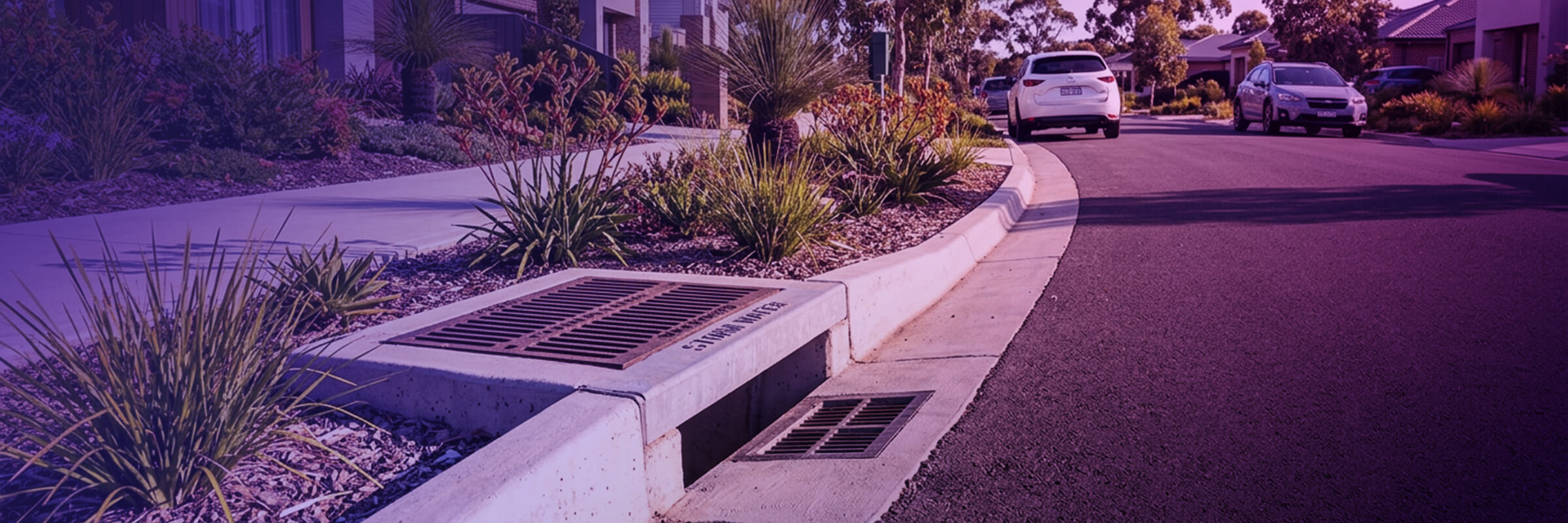
Stormwater harvesting and reuse is an increasingly important component of urban water management, particularly in cities facing water security pressures. Collected stormwater from roads, rooftops and open spaces is used for irrigation of parks and streetscapes, toilet flushing in commercial buildings, and industrial process water.
Before reuse, stormwater must be treated to meet quality standards appropriate to its intended use. UV disinfection is a standard final treatment step for stormwater recycling systems, providing pathogen reduction without chemical residues that could harm vegetation or contaminate receiving environments.
The Challenge with Stormwater Quality
Stormwater is one of the most variable water sources in terms of quality. First flush events after dry periods carry high concentrations of accumulated pollutants from road surfaces, building materials, pet and wildlife faeces, and landscape debris. Microbial contamination in urban stormwater routinely exceeds recreational water quality guidelines.
Treatment requirements depend on the intended reuse application. Toilet flushing in a commercial building requires less intensive treatment than produce irrigation or potable substitution. UV Guard can assist with system specification for specific reuse categories.
Treatment Train for Stormwater Reuse
Stormwater disinfection with UV requires a multi-stage treatment approach upstream of the UV unit. The most common configuration includes:
- Coarse screening and detention to remove gross pollutants.
- Sedimentation to reduce suspended solids.
- Filtration (media or membrane) to achieve target turbidity ahead of UV.
- UV disinfection as the final treatment step.
In some applications, biological treatment or constructed wetland polishing is included upstream to reduce nutrient loads and organic matter before the UV stage. The pre-treatment design determines the UV transmittance of the water entering the UV unit, which drives UV system sizing.
Regulatory Context for Stormwater Reuse
Stormwater recycling projects in Australia are regulated under state-based frameworks including the Australian Guidelines for Water Recycling. These guidelines define water quality targets for different reuse categories and identify UV as an appropriate disinfection method when adequate doses are achieved.
International development projects in water-scarce regions often reference WHO water reuse guidelines. UV Guard systems are available for these regulatory contexts and the team can advise on appropriate system specifications for specific reuse categories.
Frequently Asked Questions
Talk to Us About UV Water Treatment Solutions
Discuss stormwater reuse system requirements with the UV Guard team.

UV Disinfection for Wastewater Treatment: Meeting Discharge Standards Without Chemical Residues
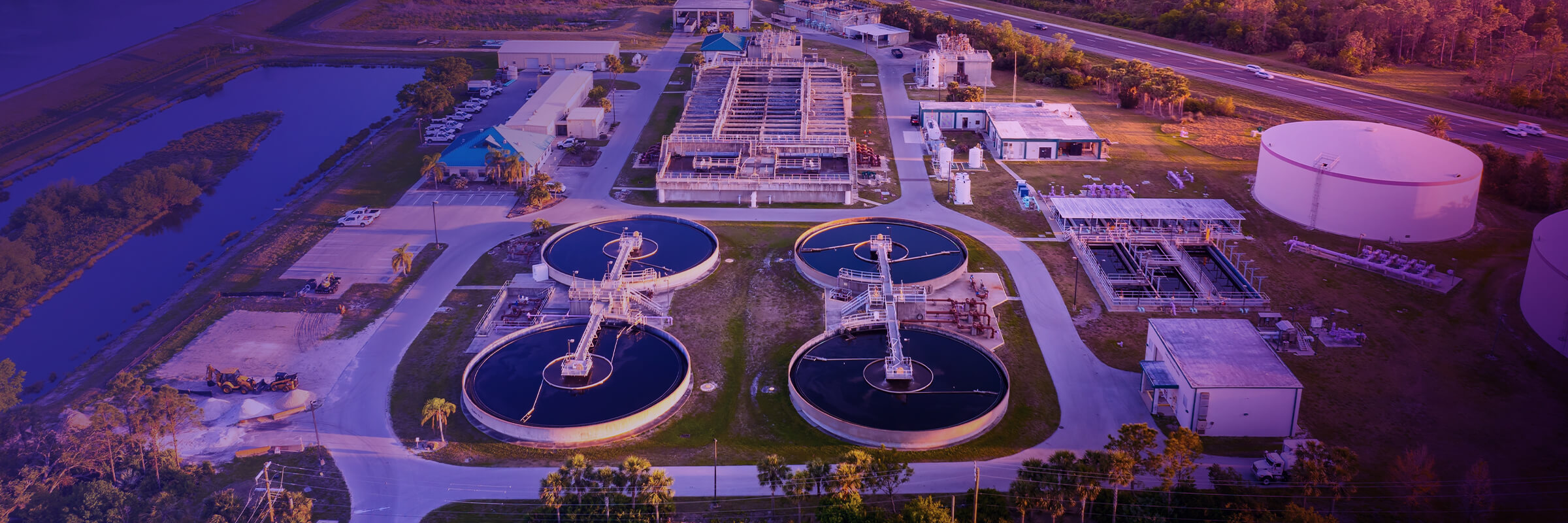
UV wastewater disinfection is the preferred method for municipal and industrial effluent treatment. It eliminates pathogens before discharge without the chlorine residue problems that affect receiving waterways.
-
UV Disinfection for Warm Water Systems and Legionella Control: Protecting Vulnerable People
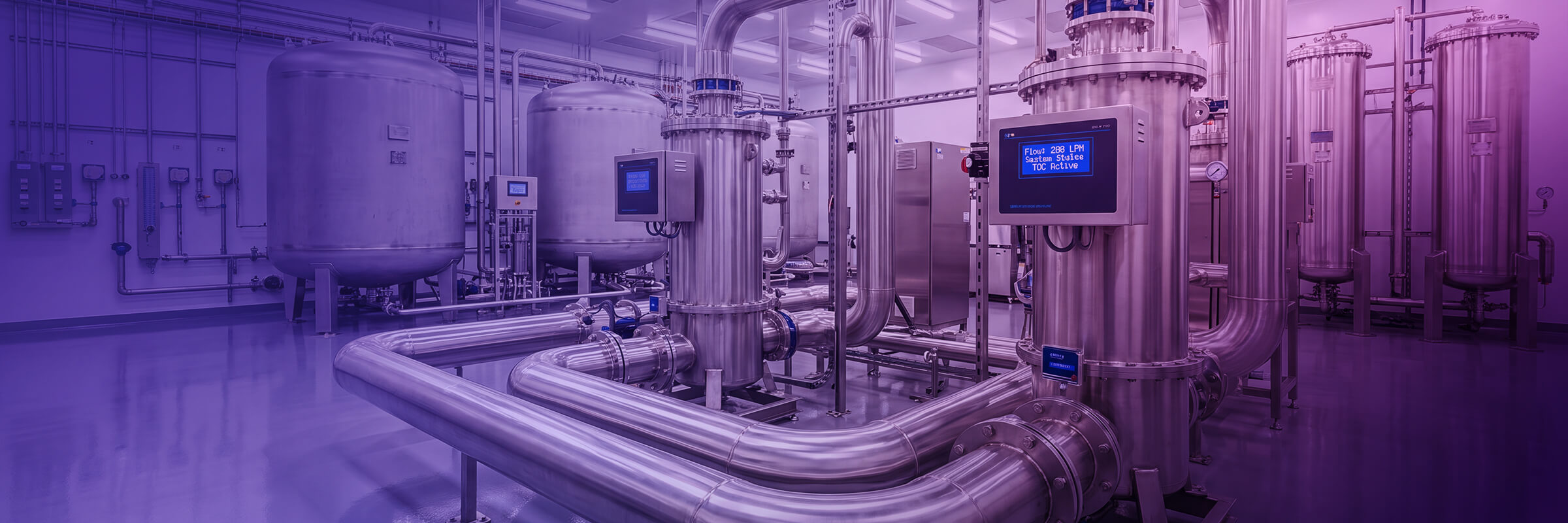
UV disinfection is an effective supplementary strategy for Legionella control in building water systems, reducing bacterial populations to protect immunocompromised patients, aged care residents and high-risk occupants.


Get in touch
Contact our team for expert guidance on selecting the right UV water treatment system, sourcing compatible spare parts, or confirming the correct components for your existing setup. We can also assist with servicing requirements to help maintain performance and long-term reliability.
Newsletter
Stay up-to-date with our very latest news, technology, offers and events.