UV Disinfection in Medical and Pharmaceutical Water Systems: Meeting the Highest Standards
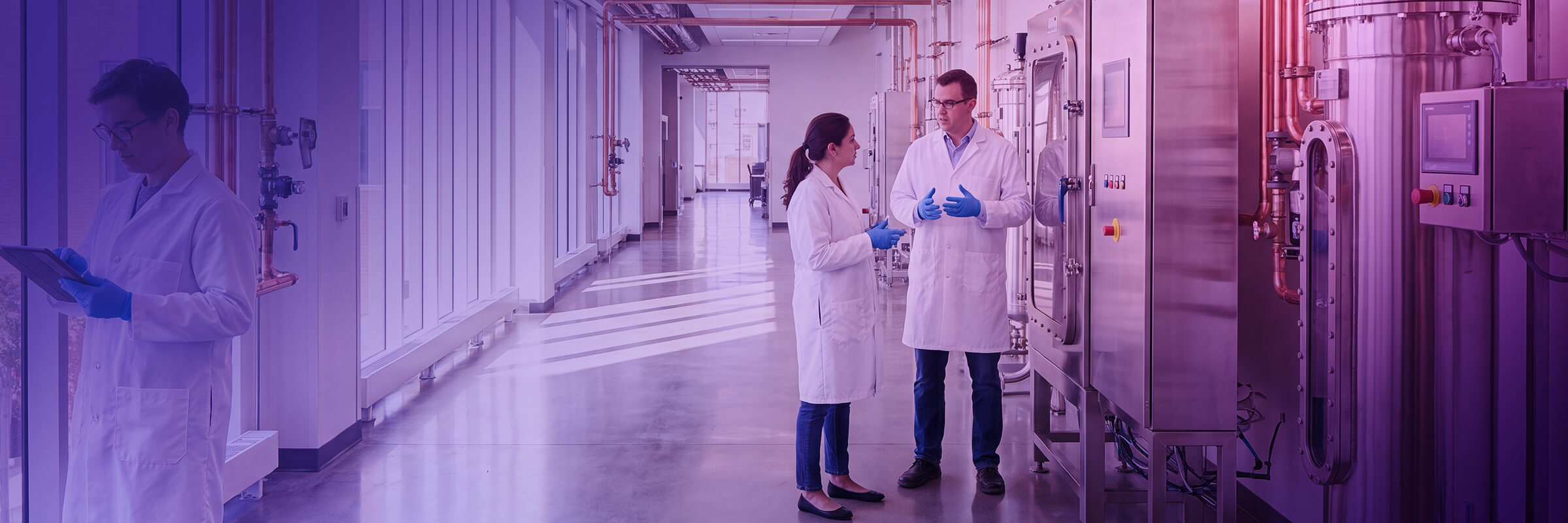
Water is a critical excipient in pharmaceutical manufacturing and a fundamental utility in medical device production, hospital facilities and laboratory environments. The microbial and chemical quality of that water is subject to some of the most rigorous standards in any industry.
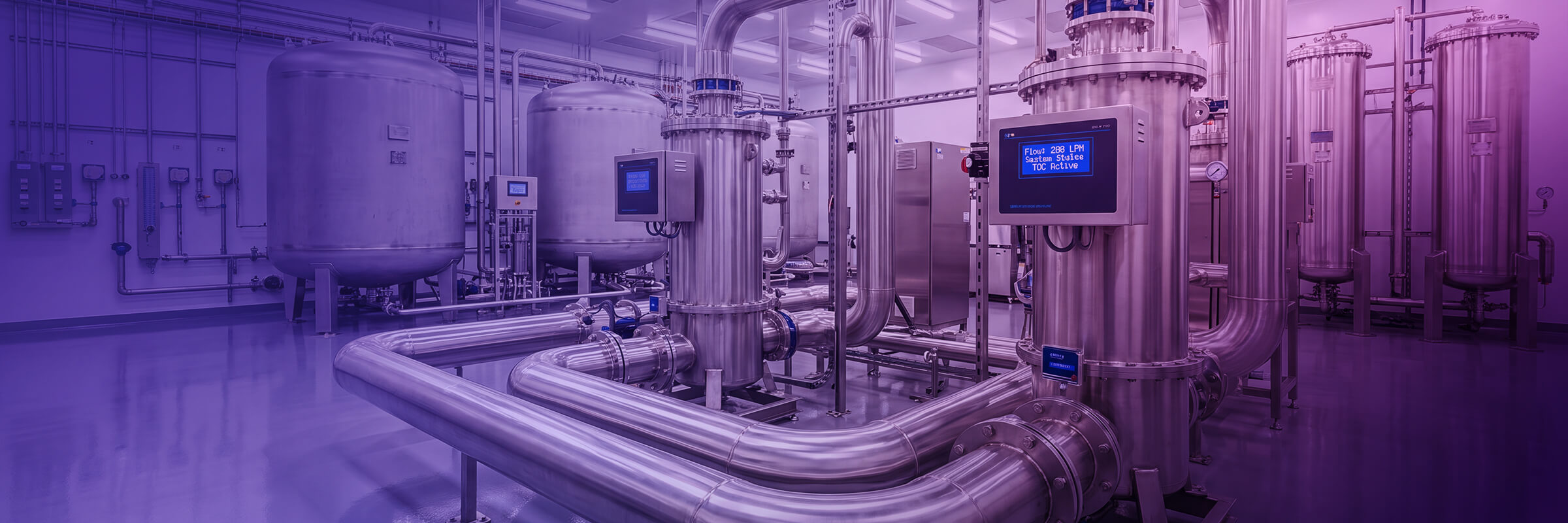
UV disinfection is used at multiple points in medical and pharmaceutical water systems, from incoming mains dechlorination through to distribution loop sanitisation. It is valued for its established efficacy, chemical-free operation and compatibility with the controlled environments these industries require.
Regulatory Standards Governing Pharmaceutical Water
Purified Water and Water for Injection produced for pharmaceutical use must comply with pharmacopoeia standards including USP (United States Pharmacopeia), EP (European Pharmacopoeia) and JP (Japanese Pharmacopoeia). These standards define limits for total organic carbon, conductivity and microbial contamination.
ISO 13485 governs quality management systems for medical device manufacturers, and includes requirements for controlled production water. Hospital-grade water for dialysis, surgical preparation and laboratory use is governed by additional jurisdiction-specific standards.
Where UV Fits in a Pharmaceutical Water System
A typical pharmaceutical purified water system includes multiple treatment stages. UV has defined roles at two critical points:
Pre-treatment dechlorination: municipal supply water contains chlorine and chloramine that damage downstream reverse osmosis membranes and ion exchange resins. UV photolysis removes these oxidants ahead of membrane stages without chemical addition.
Loop sanitisation and biofilm control: UV units installed in the recirculating distribution loop continuously inactivate bacteria that could form biofilm in pipework and tanks. This reduces the frequency of thermal or chemical sanitisation cycles required to maintain microbial control in the distribution loop.
Documentation and Monitoring
Pharmaceutical and medical production environments require documentation of equipment performance as part of their quality management systems. UV Guard commercial systems include UV intensity monitoring with calibrated sensors, data logging and alarm outputs, which provide the ongoing performance records that quality-managed facilities need.
Contact UV Guard to discuss the monitoring and documentation features of specific systems for your application.
Hospital and Dialysis Water Applications
Renal dialysis facilities require water treatment systems that reliably remove chloramine from municipal supply water before it enters reverse osmosis and deionisation stages. Chloramine at concentrations found in treated municipal water causes haemolytic anaemia in dialysis patients. UV photolysis is an effective method for this application.
Hospital water systems also face Legionella risk management requirements. UV is increasingly used as a supplementary disinfection measure in hospital hot and cold water systems to reduce Legionella populations, particularly in wards serving immunocompromised patients.
Frequently Asked Questions
Talk to Us About UV Water Treatment Solutions
Contact UV Guard to discuss UV system options for pharmaceutical, medical or laboratory water applications.

UV Disinfection for Wastewater Treatment: Meeting Discharge Standards Without Chemical Residues
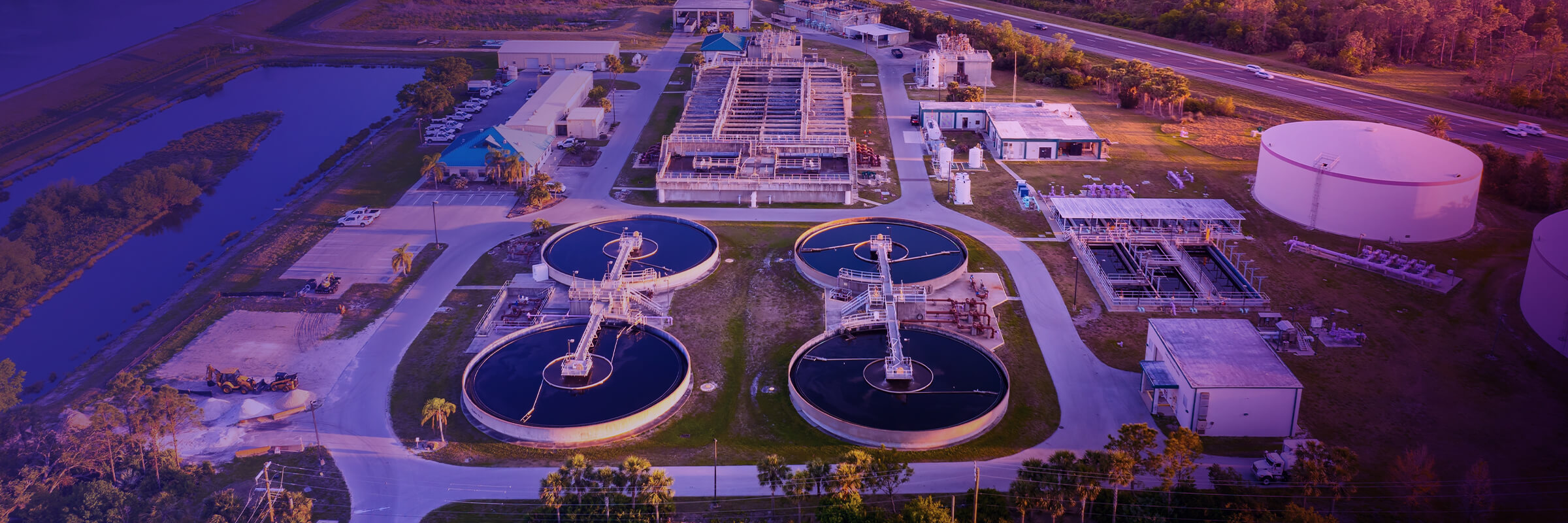
UV wastewater disinfection is the preferred method for municipal and industrial effluent treatment. It eliminates pathogens before discharge without the chlorine residue problems that affect receiving waterways.
-
UV Disinfection for Warm Water Systems and Legionella Control: Protecting Vulnerable People
UV disinfection is an effective supplementary strategy for Legionella control in building water systems, reducing bacterial populations to protect immunocompromised patients, aged care residents and high-risk occupants.

Get in touch
Contact our team for expert guidance on selecting the right UV water treatment system, sourcing compatible spare parts, or confirming the correct components for your existing setup. We can also assist with servicing requirements to help maintain performance and long-term reliability.
Newsletter
Stay up-to-date with our very latest news, technology, offers and events.