
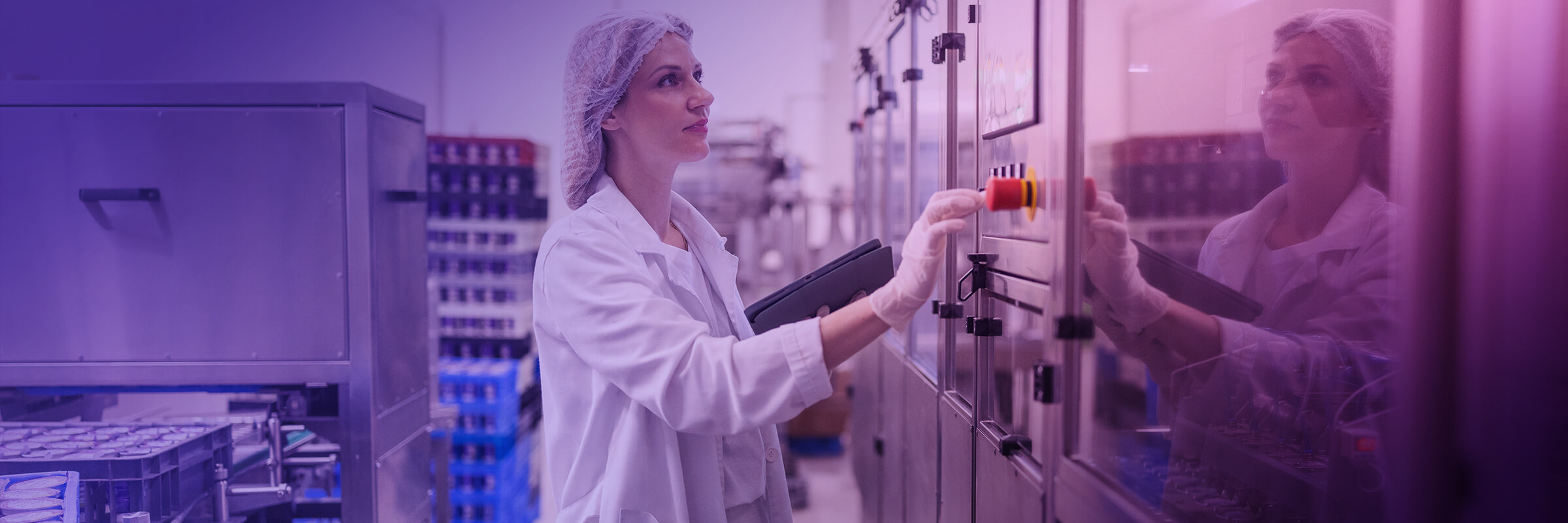
UV Water Disinfection in Food and Beverage Production: Meeting Safety Standards Without Compromise
Water is a critical input in food and beverage manufacturing, and it is one of the most common vectors for microbial contamination in production environments. Whether used in product formulation, equipment cleaning, surface sanitation or cooling systems, water quality directly affects product safety, shelf life and regulatory compliance.
UV disinfection fits into food and beverage water treatment as a reliable, chemical-free step that does not affect product quality, flavour or the performance of downstream processes.
Regulatory Requirements Driving UV Adoption
Food safety frameworks including HACCP, FSSC 22000, BRC Global Standard and SQF all require that water used in product contact applications meets potable standards as a minimum. In many production environments, this means treating incoming supply water and including that treatment within the site’s food safety management plan.
UV disinfection is a well-established disinfection method that supports these requirements when properly sized and monitored. UV intensity monitoring records and alarm log data provide useful documentation for food safety audits.
Where UV Is Used in Food and Beverage Production
Specific production water treatment points include:
- Ingredient water for beverages, sauces, soups, dairy products and baked goods.
- Bottle and container rinse water in bottling lines.
- CIP (Clean-In-Place) water for equipment sanitation.
- Cooling water in pasteurisation and retort systems.
- Process water for produce washing and fresh-cut operations.
- Brewery water, where water chemistry control is critical and chlorine is incompatible with fermentation.
Breweries and craft beverage producers increasingly specify UV for incoming water treatment. Chlorine and chloramines in municipal water react with compounds in brewing processes to produce chlorophenol off-flavours. UV-based dechlorination removes this risk without altering water chemistry.
UV Versus Chemical Disinfection in Food Processing
Chemical disinfectants including chlorine, chlorine dioxide and peracetic acid are widely used in food processing, but all carry limitations in product-contact applications. Residue carry-over, neutralisation requirements, handling hazards and taste impacts create complexity and cost.
UV introduces none of these issues. It acts within the treatment chamber, leaves no residue in the treated water, requires no chemical storage or handling, and does not affect the taste, odour or colour of process water. These properties make it particularly valuable in final rinse and product-contact water applications.
For operations requiring both disinfection and dechlorination, UV can serve both functions in a single treatment step.
System Monitoring and Documentation
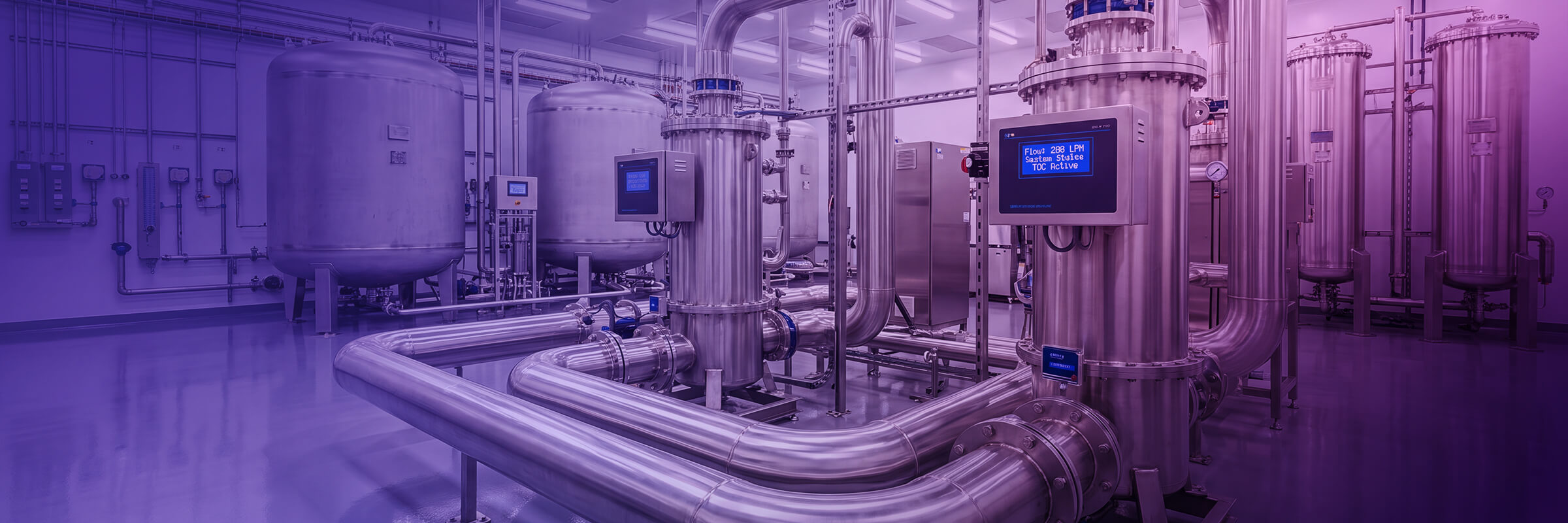
Food production facilities benefit from documentation that water treatment systems are performing consistently. UV Guard commercial systems include UV intensity monitoring with data logging capability and alarm outputs.
Monitoring records showing consistent UV output over time provide useful supporting documentation for food safety audits and site inspections. Contact UV Guard to discuss monitoring and reporting options for your production environment.
Frequently Asked Questions
Talk to Us About UV Water Treatment Solutions
Talk to the UV Guard team about water treatment solutions for your production facility.

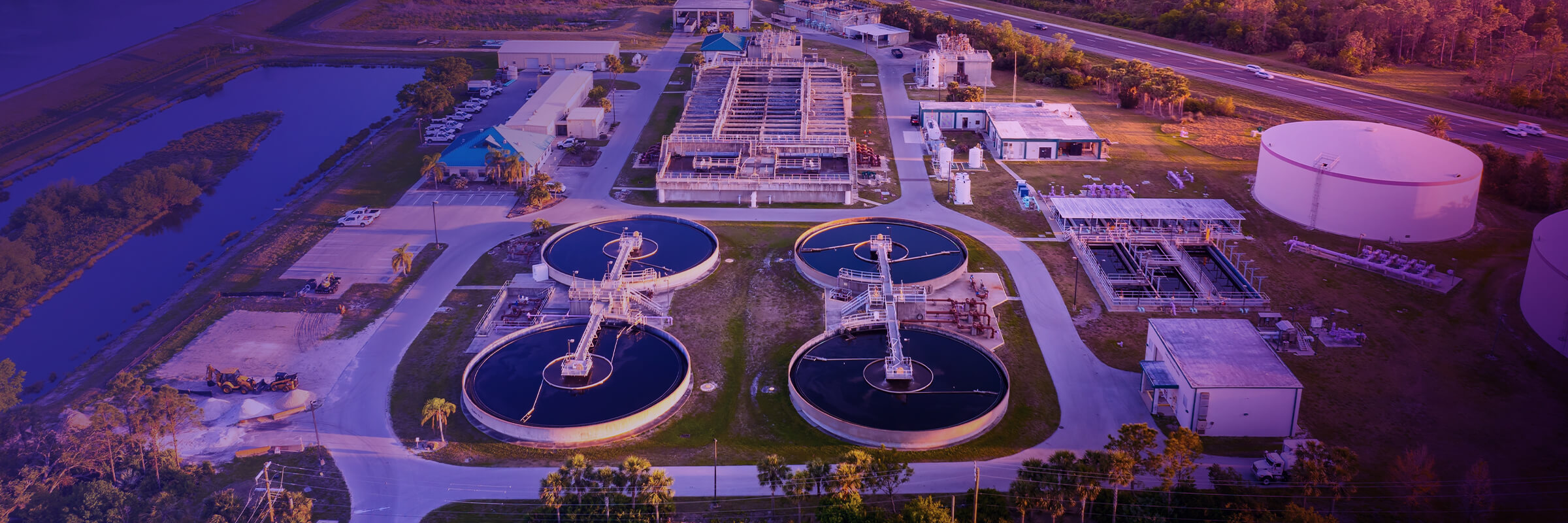
UV Disinfection for Wastewater Treatment: Meeting Discharge Standards Without Chemical Residues
UV wastewater disinfection is the preferred method for municipal and industrial effluent treatment. It eliminates pathogens before discharge without the chlorine residue problems that affect receiving waterways.
-
UV Disinfection for Warm Water Systems and Legionella Control: Protecting Vulnerable People
UV disinfection is an effective supplementary strategy for Legionella control in building water systems, reducing bacterial populations to protect immunocompromised patients, aged care residents and high-risk occupants.

Get in touch
Contact our team for expert guidance on selecting the right UV water treatment system, sourcing compatible spare parts, or confirming the correct components for your existing setup. We can also assist with servicing requirements to help maintain performance and long-term reliability.
Newsletter
Stay up-to-date with our very latest news, technology, offers and events.