
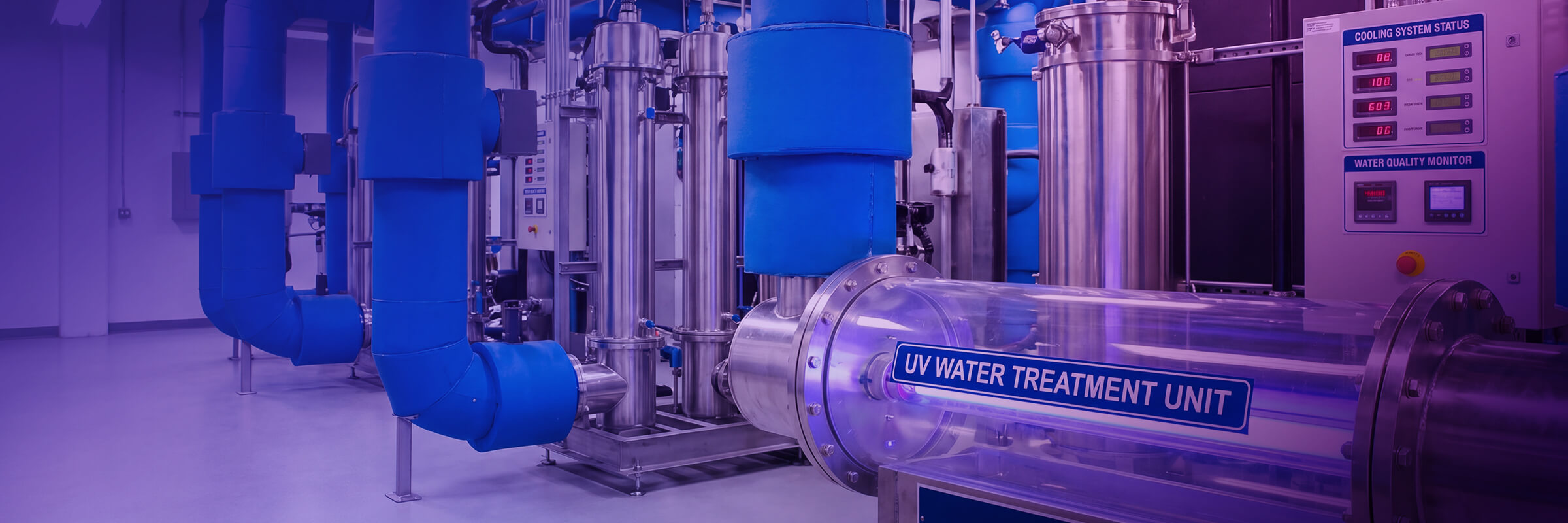
UV Water Treatment for Data Centre Cooling Systems: Protecting Uptime and Infrastructure
Categories: Armour, Armour X, Blog, Commercial, Data Centre, HWC-Series - Commercial, MPX-Series, P-Series, S-Series, T-Series, X-Series
Data centres run on water. Cooling systems dissipate the heat load from servers and network equipment, and the reliability of those cooling systems is directly linked to uptime. Water quality problems including Legionella growth, biofilm fouling, scale deposition and microbial-induced corrosion are common causes of cooling system degradation and unexpected downtime.
UV water treatment provides continuous microbial control in data centre cooling systems without the corrosion and environmental issues associated with high chemical biocide dosing.
Water Quality Risks in Data Centre Cooling
Data centre cooling infrastructure includes cooling towers, evaporative condensers, closed circuit coolers and chilled water distribution systems. Each presents specific water quality management challenges:
- Cooling towers: open recirculating systems with warm water, aerosol generation and nutrient-rich conditions that favour Legionella and biofilm growth.
- Closed loop chilled water circuits: lower microbial risk but susceptible to biofilm formation and microbiologically influenced corrosion at low flow zones.
- Make-up water quality: chloramine in municipal supply water attacks cooling system components if not removed before entry.
UV Treatment in Cooling Tower Systems
UV disinfection is installed on cooling tower make-up water lines and on the recirculating water stream to continuously reduce microbial populations. The result is lower Legionella risk, reduced biofilm formation in tower fill and basin, and reduced overall chemical biocide demand.
For hyperscale and enterprise data centres where Legionella Water Safety Plans are a compliance requirement, UV disinfection provides a documented, continuously monitored control measure that supports audit and regulatory requirements.
Reducing biocide dose also delivers operational benefits in large cooling systems: lower chemical procurement and handling costs, reduced corrosion from oxidising biocides, and lower environmental load in blowdown water.
UV for Closed Loop Water Treatment
Closed circuit chilled water loops and condenser water systems support biofilm growth that accelerates corrosion and reduces heat transfer efficiency. UV units installed on closed loop bypass streams provide continuous low-level disinfection that suppresses microbial populations and maintains heat transfer performance.
This is a lower-flow, lower-dose application compared to cooling tower treatment, and can use compact inline UV units.
Frequently Asked Questions
Talk to Us About Water Treatment Solutions
Talk to UV Guard about water treatment solutions for your data centre cooling infrastructure.

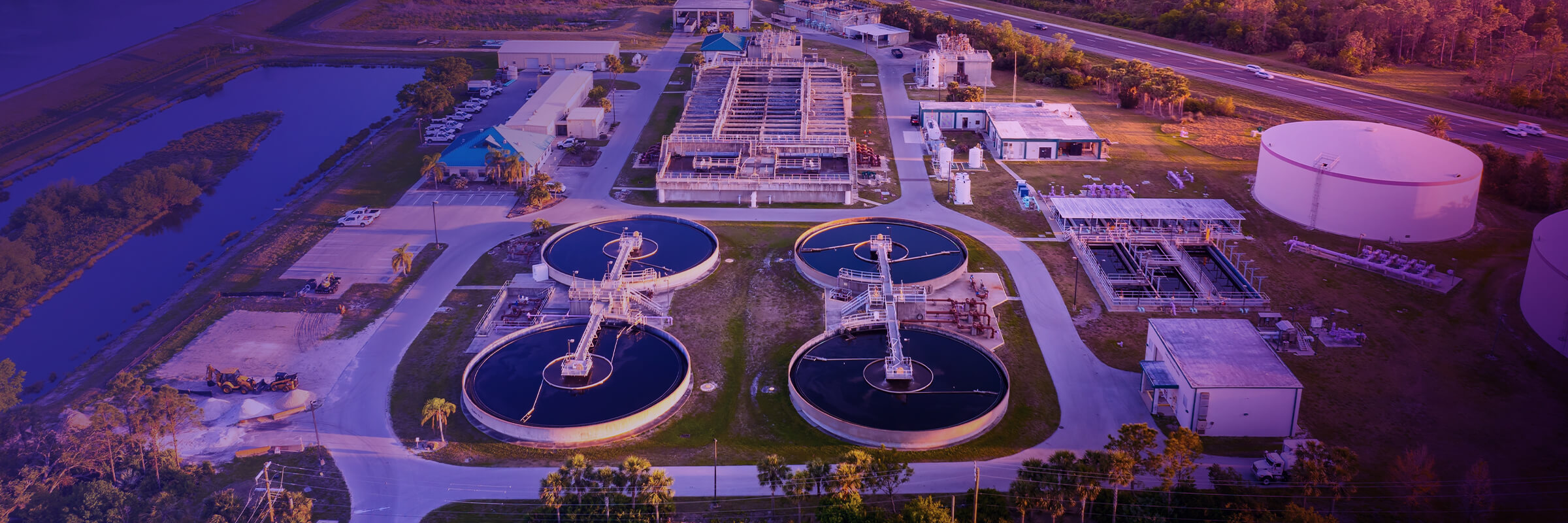
UV Disinfection for Wastewater Treatment: Meeting Discharge Standards Without Chemical Residues
UV wastewater disinfection is the preferred method for municipal and industrial effluent treatment. It eliminates pathogens before discharge without the chlorine residue problems that affect receiving waterways.
-
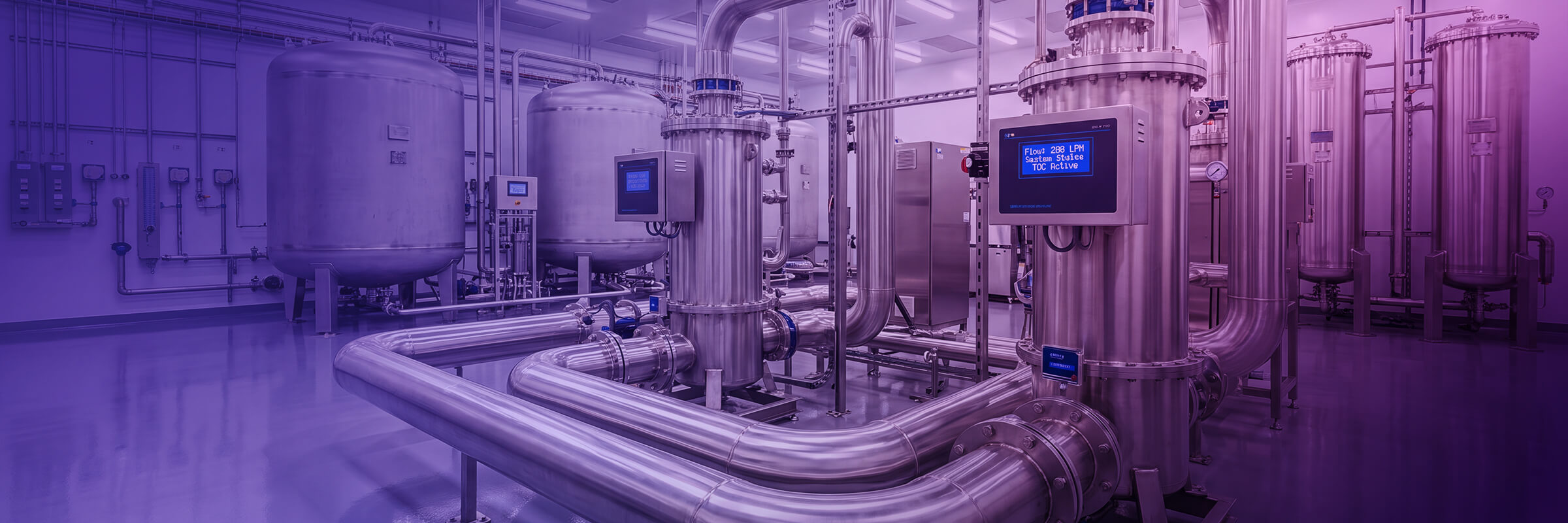
UV Disinfection for Warm Water Systems and Legionella Control: Protecting Vulnerable People
UV disinfection is an effective supplementary strategy for Legionella control in building water systems, reducing bacterial populations to protect immunocompromised patients, aged care residents and high-risk occupants.


Get in touch
Contact our team for expert guidance on selecting the right UV water treatment system, sourcing compatible spare parts, or confirming the correct components for your existing setup. We can also assist with servicing requirements to help maintain performance and long-term reliability.
Newsletter
Stay up-to-date with our very latest news, technology, offers and events.