UV for Ozone Destruction in Water Treatment: Reliable, Chemical-Free Dissolved Ozone Removal
Ozone is a powerful oxidant used in water treatment for disinfection, colour removal, taste and odour control, and advanced oxidation. It is highly effective but must be completely removed from treated water before discharge, reuse or further processing. Residual ozone at low concentrations causes material damage, interferes with downstream biological treatment, and creates health and safety risks in enclosed plant areas.
UV photolysis at 254nm destroys dissolved ozone rapidly and efficiently without adding chemicals or producing problematic by-products. It is the standard approach to ozone quenching in industrial and municipal water treatment systems.
How UV Destroys Ozone
Ozone absorbs strongly at 254nm, the same wavelength used for UV disinfection. When ozone-containing water passes through a UV chamber, the ozone molecule absorbs UV energy and decomposes to oxygen and hydroxyl radicals. The hydroxyl radicals then react with other organic compounds in the water, continuing the advanced oxidation process.
The reaction is fast. Depending on the initial ozone concentration and the UV dose, dissolved ozone can be reduced to non-detectable levels in a single pass through a properly sized UV unit.
Applications for UV Ozone Destruction
UV ozone destruction is used in a range of treatment and production settings:
- Municipal water treatment
Removing residual ozone downstream of ozone contactors before water enters biological activated carbon filters or distribution. - Aquaculture
Ozone is used for water disinfection and colour removal in recirculating systems, but must be removed completely before water re-enters fish-holding tanks. - Semiconductor and electronics manufacturing
Ozone used for organic surface cleaning must be removed from rinse water before discharge. - Food and beverage
Ozone used for surface sanitation and process water treatment must be removed before product contact. - Swimming pools and spas
Ozone systems require UV or activated carbon quenching to prevent ozone off-gassing at the water surface.
System Design for Ozone Destruction
The primary design parameter for a UV ozone destruction system is the initial dissolved ozone concentration. Higher concentrations require higher UV doses. UV Guard can provide dose calculations for specific applications.
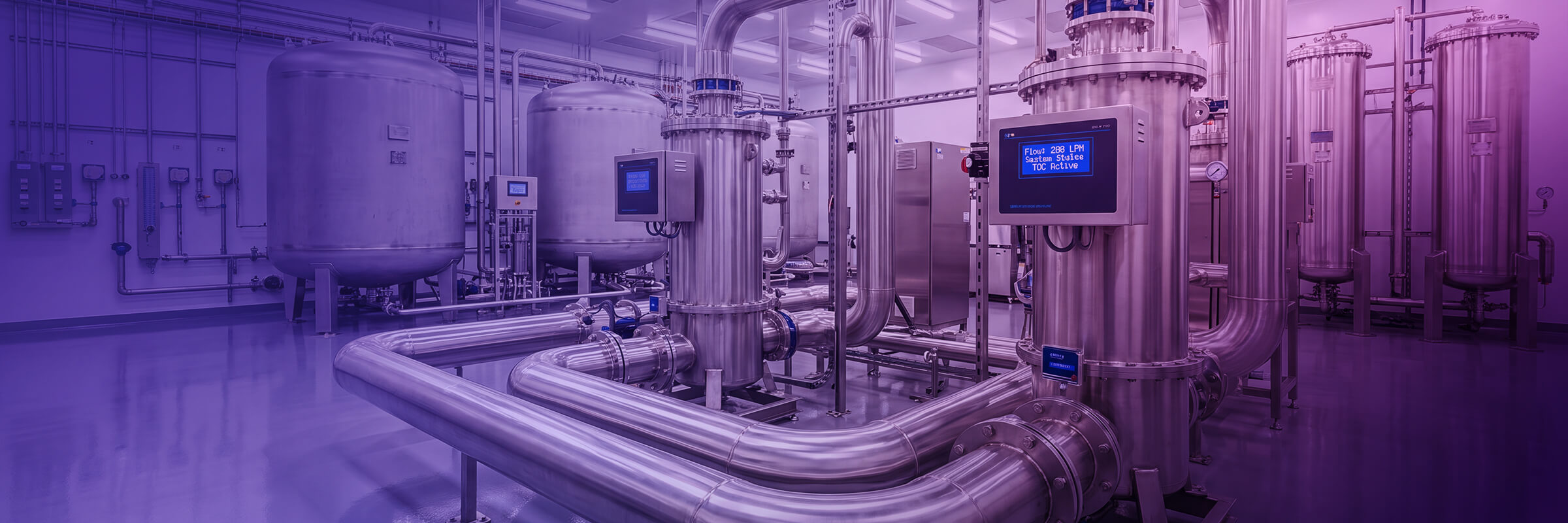
Low pressure UV lamps at 254nm are the standard choice for ozone destruction. Systems used specifically for ozone destruction typically include output monitoring to ensure consistent performance.
Frequently Asked Questions
Talk to Us About UV Water Treatment Solutions
Contact UV Guard to discuss ozone destruction system requirements for your application.

UV Disinfection for Wastewater Treatment: Meeting Discharge Standards Without Chemical Residues
UV wastewater disinfection is the preferred method for municipal and industrial effluent treatment. It eliminates pathogens before discharge without the chlorine residue problems that affect receiving waterways.
-
UV Disinfection for Warm Water Systems and Legionella Control: Protecting Vulnerable People
UV disinfection is an effective supplementary strategy for Legionella control in building water systems, reducing bacterial populations to protect immunocompromised patients, aged care residents and high-risk occupants.


Get in touch
Contact our team for expert guidance on selecting the right UV water treatment system, sourcing compatible spare parts, or confirming the correct components for your existing setup. We can also assist with servicing requirements to help maintain performance and long-term reliability.
Newsletter
Stay up-to-date with our very latest news, technology, offers and events.